
 Sally Thompson
Golden, juicy chicken simmered in a silky lemon Dijon sauce is the kind of meal that instantly makes dinner feel special without demanding hours in the kitchen. One Skillet Lemon Dijon Chicken combines bright citrus flavor, savory herbs, and creamy mustard richness in a single pan, creating a comforting dish with restaurant-quality flavor and minimal cleanup.
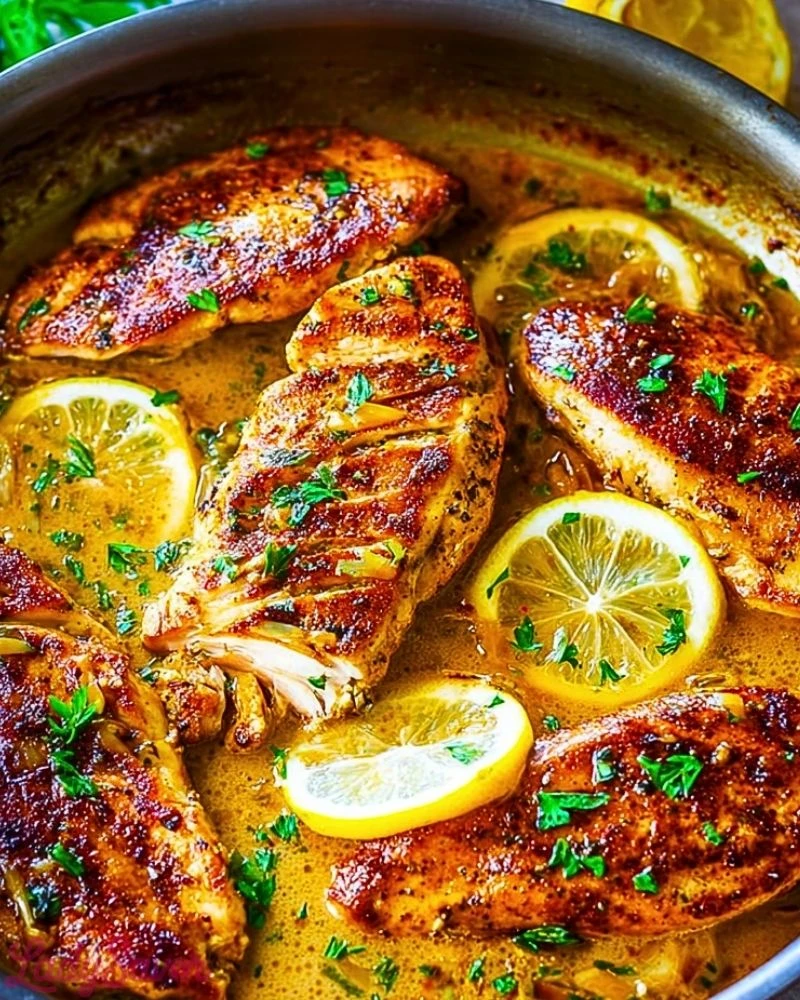
The chicken develops a beautifully caramelized crust while the sauce transforms into a rich and tangy coating that pairs perfectly with rice, roasted vegetables, mashed potatoes, or pasta. Whether you need a quick weeknight dinner or a simple yet elegant meal for guests, this recipe delivers bold flavor with very little effort.
Why You’ll Love This One Skillet Lemon Dijon Chicken
This One Skillet Lemon Dijon Chicken is packed with flavor while keeping the cooking process simple and stress-free. The combination of lemon and Dijon mustard creates a balanced sauce that is both zesty and savory, giving the chicken a fresh and comforting taste. Because everything cooks in one skillet, cleanup is incredibly easy, making this recipe perfect for busy evenings.
Another reason this dish stands out is its versatility. You can serve it with countless side dishes, and the sauce works beautifully with vegetables, grains, or pasta. The recipe also uses everyday ingredients that are easy to find, yet the final result tastes elegant and satisfying enough for a dinner party.
Preparation Phase & Tools to Use
Preparing One Skillet Lemon Dijon Chicken is straightforward, but using the right kitchen tools makes the process smoother and helps achieve the best flavor and texture.
Large Skillet or Cast-Iron Pan: A heavy-bottomed skillet distributes heat evenly, allowing the chicken to develop a rich golden crust while preventing burning. A cast-iron skillet is especially useful for retaining heat and enhancing browning.
Tongs: Tongs make it easy to flip the chicken without piercing the meat and losing valuable juices.
Sharp Chef’s Knife: A sharp knife ensures clean trimming and slicing of chicken, herbs, and lemons for better presentation and safer preparation.
Cutting Board: A sturdy cutting board provides a stable surface for prepping ingredients efficiently.
Measuring Cups and Spoons: Accurate measurements help balance the acidity of the lemon and the boldness of the Dijon mustard.
Whisk or Wooden Spoon: These tools help blend the sauce smoothly while scraping flavorful browned bits from the skillet.
Using quality tools not only simplifies the cooking process but also helps build deeper flavor and achieve perfectly cooked chicken.
Preparation Tips
Before cooking, pat the chicken dry with paper towels to help it brown properly in the skillet. Allowing the chicken to sit at room temperature for about 15 minutes before cooking encourages even cooking throughout. Fresh lemon juice is highly recommended because it delivers brighter flavor than bottled juice, and freshly chopped herbs add a burst of freshness that enhances the rich sauce.
Avoid overcrowding the skillet while searing the chicken, as this can create steam instead of a golden crust. If needed, cook the chicken in batches. Keep the heat at medium to medium-high so the sauce reduces gently without burning. Finally, let the chicken rest for a few minutes before serving so the juices redistribute and keep the meat tender.
Ingredients for this One Skillet Lemon Dijon Chicken
For the Chicken
- 4 boneless, skinless chicken breasts
- 1 teaspoon salt
- 1 teaspoon black pepper
- 1 teaspoon garlic powder
- 1 teaspoon onion powder
- 1 teaspoon paprika
- 1/2 teaspoon dried thyme
- 2 tablespoons olive oil
- 1 tablespoon unsalted butter
For the Lemon Dijon Sauce
- 3 cloves garlic, minced
- 1 cup chicken broth
- 1/2 cup heavy cream
- 3 tablespoons Dijon mustard
- 2 tablespoons fresh lemon juice
- 1 teaspoon lemon zest
- 1 tablespoon honey
- 1 tablespoon butter
- 1/2 teaspoon crushed red pepper flakes (optional)
- 1 tablespoon chopped fresh parsley
- Lemon slices for garnish
Optional Serving Suggestions
- Steamed rice
- Mashed potatoes
- Buttered pasta
- Roasted asparagus
- Green beans
- Crusty bread
Step 1: Prepare the Chicken
Pat the chicken breasts dry using paper towels. Dry chicken creates a better golden crust during searing. If the chicken breasts are especially thick, lightly pound them to an even thickness for more consistent cooking.
In a small bowl, combine the salt, black pepper, garlic powder, onion powder, paprika, and dried thyme. Season both sides of the chicken generously with the spice mixture.
Allow the seasoned chicken to rest for about 10 to 15 minutes at room temperature. This helps the meat cook evenly and absorb the seasoning more effectively.
Step 2: Heat the Skillet Properly
Place a large skillet or cast-iron pan over medium-high heat. Add the olive oil and allow it to heat until shimmering but not smoking.
A properly heated skillet is essential for developing deep flavor. The hot surface creates caramelization on the chicken, which adds richness to the final sauce.
Add the butter to the skillet and swirl it together with the oil. The combination of butter and oil creates excellent flavor while preventing the butter from burning too quickly.
Step 3: Sear the Chicken
Carefully place the chicken breasts into the hot skillet. Avoid overcrowding the pan because this traps steam and prevents browning.
Cook the chicken for about 5 to 6 minutes on the first side without moving it. This allows a flavorful golden crust to form.
Flip the chicken using tongs and cook for another 5 minutes on the second side until nearly cooked through. The chicken does not need to be fully done at this stage because it will finish cooking in the sauce.
Transfer the chicken to a plate and loosely cover it with foil to keep it warm.
Step 4: Build the Flavor Base
Reduce the heat slightly to medium. Add the minced garlic directly into the skillet and sauté for about 30 seconds until fragrant.
As the garlic cooks, use a wooden spoon to scrape up the browned bits stuck to the bottom of the skillet. These caramelized pieces contain concentrated flavor that enriches the sauce.
Pour in the chicken broth and continue stirring while the liquid deglazes the pan.
Step 5: Make the Lemon Dijon Sauce
Add the Dijon mustard, heavy cream, lemon juice, lemon zest, and honey to the skillet. Whisk everything together until smooth and fully combined.
Allow the sauce to simmer gently for 3 to 5 minutes. As it cooks, the sauce thickens slightly and the flavors blend together beautifully.
If you enjoy a little heat, stir in the crushed red pepper flakes. Taste the sauce and adjust seasoning if necessary.
The balance of tangy lemon, creamy Dijon, savory broth, and mild sweetness creates a luxurious sauce that perfectly coats the chicken.
Step 6: Return the Chicken to the Skillet
Place the seared chicken breasts back into the skillet along with any juices collected on the plate.
Spoon the sauce over the chicken repeatedly so every piece absorbs the flavor. Let the chicken simmer in the sauce for another 5 to 7 minutes or until fully cooked and tender.
The internal temperature of the chicken should reach 165°F for safe serving.
Step 7: Finish with Butter and Fresh Herbs
Stir in the remaining tablespoon of butter to give the sauce a glossy finish and silky texture.
Sprinkle freshly chopped parsley over the skillet for freshness and color. Add lemon slices for extra brightness and presentation.
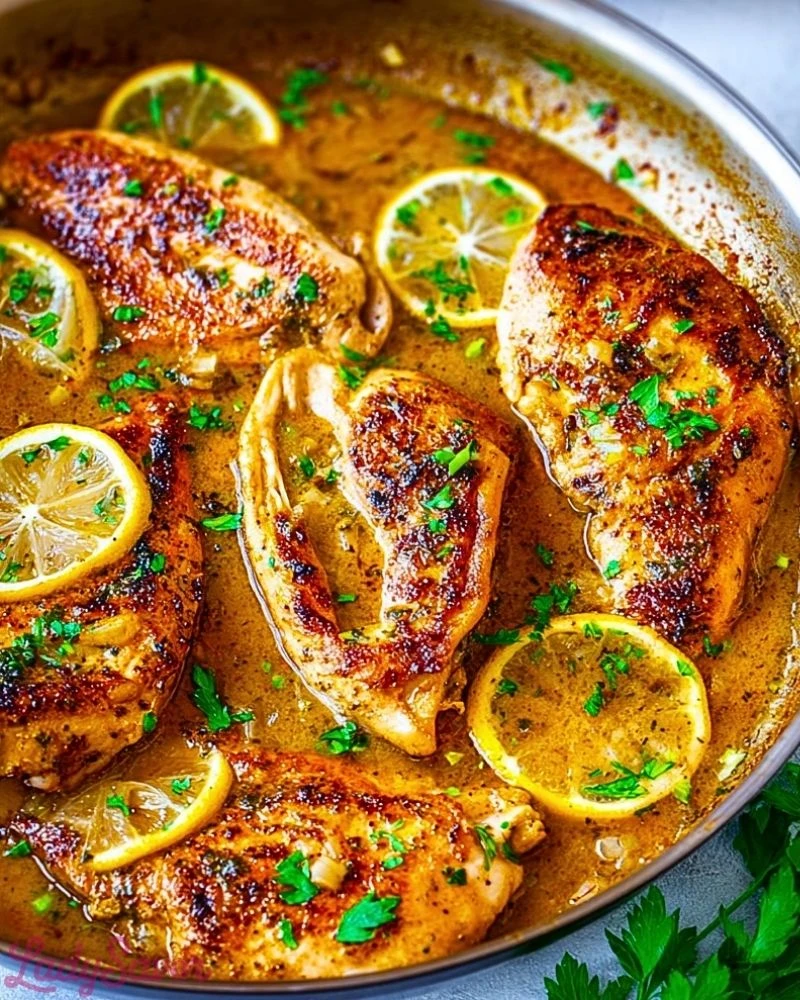
At this stage, the sauce should appear creamy, rich, and lightly thickened while coating the chicken beautifully.
Step 8: Serve the One Skillet Lemon Dijon Chicken
Serve the chicken hot directly from the skillet. Spoon extra sauce over each serving to maximize flavor.
This dish pairs wonderfully with creamy mashed potatoes, fluffy rice, pasta, roasted vegetables, or crusty bread for soaking up the lemon Dijon sauce.
For a complete meal, add a simple green salad or steamed vegetables alongside the chicken.
Step 9: Optional Variations and Flavor Additions
One of the best features of One Skillet Lemon Dijon Chicken is how easy it is to customize.
Add Vegetables
Spinach, mushrooms, asparagus, or cherry tomatoes can be added directly into the skillet during the final simmer.
Use Chicken Thighs
Boneless or bone-in chicken thighs work beautifully in this recipe and provide even richer flavor.
Make It Lighter
Substitute half-and-half instead of heavy cream for a lighter sauce.
Add Cheese
A sprinkle of grated Parmesan cheese can make the sauce even more savory and creamy.
Fresh Herb Options
Fresh thyme, basil, rosemary, or dill all complement the lemon Dijon flavor profile.
Step 10: Serving and Presentation Ideas
For an elegant presentation, place the chicken on a serving platter and spoon the sauce over the top. Garnish with extra parsley, cracked black pepper, and thin lemon slices.
This recipe works equally well for casual weeknight dinners, meal prep lunches, family gatherings, or small dinner parties. The bright sauce and golden chicken create a visually stunning meal that looks impressive with minimal effort.
Warm crusty bread served on the side is highly recommended for soaking up every bit of the flavorful sauce.
Notes
One Skillet Lemon Dijon Chicken is a wonderfully balanced dish that combines rich, savory flavors with bright citrus freshness. The creamy Dijon sauce develops incredible depth as it simmers with garlic, chicken broth, and lemon juice, creating a silky texture that clings beautifully to the chicken.
For the best results, choose chicken breasts that are similar in size so they cook evenly. If your chicken breasts are extra thick, slicing them horizontally or pounding them slightly helps prevent dry edges and undercooked centers. Fresh lemon juice is strongly recommended because it gives the sauce a cleaner and brighter flavor compared to bottled juice.
Dijon mustard is the key ingredient that gives the sauce its signature tangy richness. Using high-quality Dijon creates a smoother texture and deeper flavor profile. If you prefer a stronger mustard flavor, you can slightly increase the amount of Dijon in the sauce.
The sauce naturally thickens as it simmers, but if you want an even richer consistency, allow it to reduce for an additional few minutes before returning the chicken to the skillet. On the other hand, if the sauce becomes too thick, simply add a splash of chicken broth to loosen it.
This recipe is ideal for meal prep because the flavors continue developing as the chicken rests in the sauce. The leftovers remain flavorful and moist, making this an excellent option for lunches and quick dinners throughout the week.
Watch Out for These Mistakes While Cooking
Overcrowding the Skillet
Adding too many chicken pieces at once lowers the skillet temperature and causes the chicken to steam rather than sear. Cook in batches if necessary to maintain a beautiful golden crust.
Using Cold Chicken Directly from the Refrigerator
Very cold chicken cooks unevenly and may become tough on the outside before the center is fully cooked. Let the chicken rest at room temperature for about 15 minutes before cooking.
Skipping the Deglazing Step
The browned bits left in the skillet after searing contain tremendous flavor. Failing to scrape them into the sauce means missing out on richness and depth.
Cooking Over Excessively High Heat
High heat can cause the sauce to separate or burn, especially after adding cream. Maintain medium or medium-low heat while simmering the sauce.
Overcooking the Chicken
Chicken breasts can dry out quickly if cooked too long. Use a meat thermometer and remove the chicken once it reaches 165°F internally.
Adding Lemon Juice Too Early
Fresh lemon juice should be added during sauce preparation rather than during the initial searing process. Cooking lemon juice too long can reduce its brightness.
Forgetting to Taste the Sauce
The balance between lemon, Dijon mustard, cream, and broth can vary slightly depending on ingredient brands. Always taste the sauce before serving and adjust seasoning if necessary.
Storage Instructions
Allow the One Skillet Lemon Dijon Chicken to cool completely before storing. Transfer the chicken and sauce into an airtight container and refrigerate for up to 4 days.
When reheating, warm the chicken gently over medium-low heat on the stovetop or in the microwave using short intervals. Adding a small splash of chicken broth or cream helps restore the smooth consistency of the sauce.
This dish can also be frozen for up to 2 months. Store the chicken and sauce together in a freezer-safe container. Thaw overnight in the refrigerator before reheating.
Because cream-based sauces can sometimes separate after freezing, whisk the sauce gently while reheating to bring it back together.
For meal prep, portion the chicken alongside rice, pasta, or vegetables into individual containers for easy grab-and-go lunches.
Estimated Nutrition
Per Serving (Approximate)
- Calories: 420
- Protein: 38g
- Carbohydrates: 7g
- Fat: 26g
- Saturated Fat: 11g
- Cholesterol: 135mg
- Sodium: 620mg
- Fiber: 1g
- Sugar: 3g
Nutritional values may vary depending on ingredient brands, portion sizes, and optional additions.
Frequently Asked Questions
Can I use chicken thighs instead of chicken breasts?
Yes, chicken thighs work extremely well in this recipe and often provide even juicier results. Boneless or bone-in thighs can both be used, though cooking times may vary slightly.
Can I make this recipe without cream?
Absolutely. You can substitute half-and-half, evaporated milk, or even coconut cream for a different texture and flavor.
What does Dijon mustard add to the sauce?
Dijon mustard adds tanginess, depth, and slight sharpness that balances the richness of the cream and butter.
Is this recipe gluten-free?
Yes, the recipe is naturally gluten-free as long as the chicken broth and Dijon mustard used are certified gluten-free.
What side dishes pair best with One Skillet Lemon Dijon Chicken?
Mashed potatoes, rice, roasted vegetables, pasta, asparagus, green beans, and crusty bread all pair beautifully with the creamy sauce.
Can I prepare this recipe ahead of time?
Yes, you can prepare the chicken and sauce ahead of time and reheat gently before serving. The flavors become even more delicious after resting.
How do I thicken the sauce if needed?
Allow the sauce to simmer longer to reduce naturally, or stir in a small slurry of cornstarch and water for faster thickening.
Can I add vegetables directly into the skillet?
Definitely. Spinach, mushrooms, asparagus, kale, and cherry tomatoes all cook beautifully in the sauce.
Conclusion
One Skillet Lemon Dijon Chicken is the perfect combination of simplicity and bold flavor. The juicy golden chicken paired with the creamy, tangy lemon Dijon sauce creates a comforting meal that feels elegant enough for entertaining while still being practical for busy weeknights.
The one-pan cooking method keeps cleanup minimal while allowing every ingredient to build rich layers of flavor directly in the skillet. From the bright citrus notes to the savory garlic and smooth Dijon finish, every bite delivers warmth and satisfaction.
Whether served with mashed potatoes, rice, pasta, or vegetables, this recipe easily becomes a dependable family favorite. Its versatility, quick preparation, and restaurant-quality taste make it a meal worth returning to again and again.

One Skillet Lemon Dijon Chicken
- Total Time: 40 minutes
- Yield: 4 servings 1x
- Diet: Gluten Free
Description
One Skillet Lemon Dijon Chicken is a quick dinner packed with bold flavor, juicy chicken, and a rich creamy lemon mustard sauce made in just one pan. This easy dinner recipe combines tender golden chicken breasts with garlic, Dijon mustard, fresh lemon juice, and cream for a comforting meal that feels elegant while staying simple enough for busy weeknights. Perfect for easy dinner ideas, family meals, meal prep, and cozy comfort food cravings, this one skillet chicken recipe pairs beautifully with rice, pasta, mashed potatoes, or roasted vegetables. The bright citrus flavor balances the creamy sauce perfectly, making this healthy dinner option both satisfying and fresh.
Ingredients
4 boneless skinless chicken breasts
1 teaspoon salt
1 teaspoon black pepper
1 teaspoon garlic powder
1 teaspoon onion powder
1 teaspoon paprika
1/2 teaspoon dried thyme
2 tablespoons olive oil
1 tablespoon unsalted butter
3 cloves garlic minced
1 cup chicken broth
1/2 cup heavy cream
3 tablespoons Dijon mustard
2 tablespoons fresh lemon juice
1 teaspoon lemon zest
1 tablespoon honey
1 tablespoon butter
1/2 teaspoon crushed red pepper flakes optional
1 tablespoon fresh parsley chopped
1 lemon sliced for garnish
Instructions
1. Pat the chicken breasts dry with paper towels and season both sides with salt, pepper, garlic powder, onion powder, paprika, and dried thyme.
2. Heat olive oil in a large skillet over medium-high heat and add 1 tablespoon butter.
3. Sear the chicken breasts for 5 to 6 minutes per side until golden brown. Remove the chicken and set aside.
4. Reduce heat to medium and add the minced garlic to the skillet. Cook for 30 seconds until fragrant.
5. Pour in the chicken broth and scrape the browned bits from the bottom of the skillet.
6. Add heavy cream, Dijon mustard, lemon juice, lemon zest, honey, and red pepper flakes. Whisk until smooth.
7. Let the sauce simmer for 3 to 5 minutes until slightly thickened.
8. Return the chicken to the skillet and spoon the sauce over the top.
9. Simmer for another 5 to 7 minutes until the chicken reaches an internal temperature of 165°F.
10. Stir in the remaining butter for a glossy finish.
11. Garnish with chopped parsley and lemon slices before serving.
Notes
Use freshly squeezed lemon juice for the brightest flavor and best sauce consistency.
Avoid overcrowding the skillet so the chicken develops a beautiful golden crust instead of steaming.
Allow the sauce to simmer gently over medium heat to prevent the cream from separating.
- Prep Time: 15 minutes
- Cook Time: 25 minutes
- Category: Dinner
- Method: Skillet
- Cuisine: American
Nutrition
- Serving Size: 1 chicken breast with sauce
- Calories: 420
- Sugar: 3g
- Sodium: 620mg
- Fat: 26g
- Saturated Fat: 11g
- Unsaturated Fat: 13g
- Trans Fat: 0g
- Carbohydrates: 7g
- Fiber: 1g
- Protein: 38g
- Cholesterol: 135mg