
 Sally Thompson
I have always loved recipes that feel restaurant-worthy but are surprisingly easy to make at home, and Coconut Shrimp is one of those dishes I keep coming back to. The crispy coating, the hint of sweetness from the coconut, and the juicy shrimp inside create the perfect balance of texture and flavor. Every time I make it, the kitchen fills with a warm, tropical aroma that instantly makes the meal feel special.
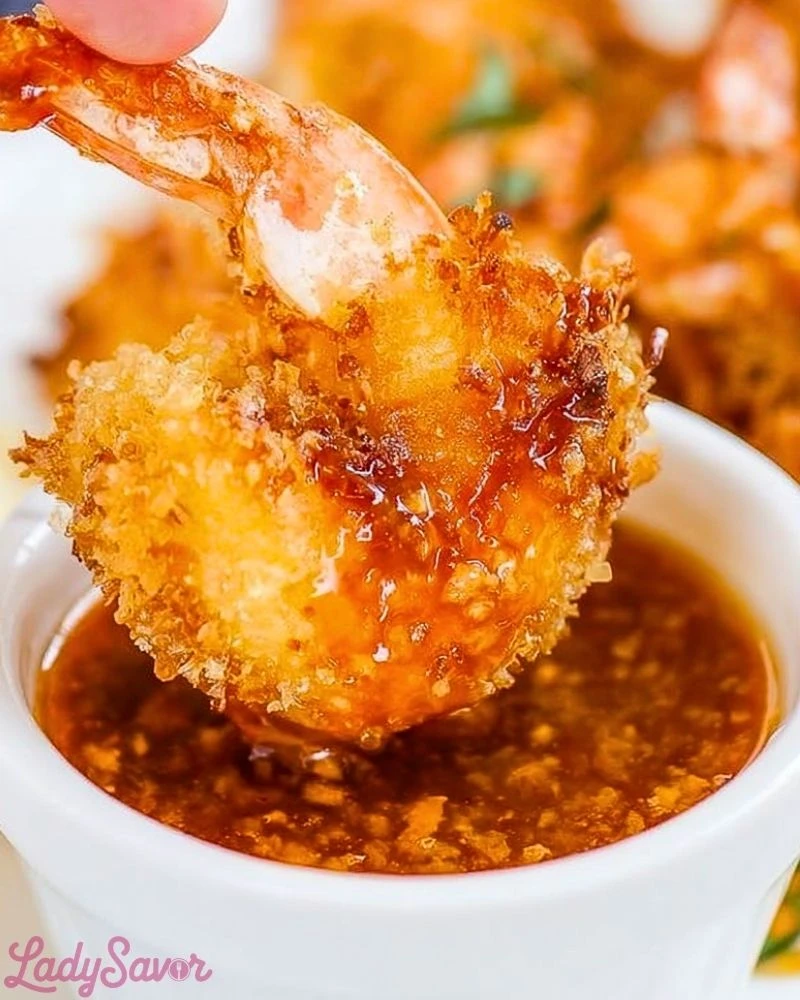
What I enjoy most about Coconut Shrimp is how versatile it can be. It works beautifully as an appetizer for gatherings, a fun family dinner, or even a quick snack paired with a dipping sauce. The golden crunch on the outside combined with tender shrimp inside makes every bite irresistible, and it is one of those recipes that disappears from the plate within minutes.
Why You’ll Love This Coconut Shrimp
Coconut Shrimp is one of those recipes that delivers big flavor without requiring complicated techniques. The crispy coconut coating creates a crunchy texture that contrasts perfectly with the juicy shrimp, making each bite satisfying and flavorful.
Another reason to love this dish is how quickly it comes together. Whether you are preparing a weeknight dinner or planning appetizers for a party, Coconut Shrimp can be ready in a relatively short amount of time while still feeling impressive.
The recipe is also easy to customize. You can adjust the seasoning, pair it with different sauces, or even cook it using different methods like frying, baking, or air frying. That flexibility makes it a recipe worth keeping in regular rotation.
What Kind of Shrimp Should I Use?
Large or jumbo shrimp are usually the best choice for Coconut Shrimp because they stay juicy inside while developing a crisp coating on the outside. Shrimp that are peeled and deveined with the tails left on are especially popular because the tails make them easier to handle and serve.
Fresh shrimp work wonderfully, but frozen shrimp are also a convenient option. If using frozen shrimp, make sure they are fully thawed and patted dry before coating them. Removing excess moisture helps the breading stick properly and creates a crispier finish.
It is also important to choose shrimp that are not overcooked. Since shrimp cook quickly, keeping an eye on the timing ensures they remain tender and flavorful instead of rubbery.
Options for Substitutions
If you do not have sweetened shredded coconut, unsweetened coconut can be used for a slightly less sweet flavor. Some people even like combining coconut flakes with panko breadcrumbs for extra crunch.
For the flour coating, all-purpose flour is the standard option, but gluten-free flour blends work well for a gluten-free version. Cornstarch can also help create a lighter, crispier texture.
Eggs are commonly used to help the coating stick, but buttermilk or even coconut milk can be used as alternatives for a slightly different flavor profile.
When it comes to cooking methods, deep frying is traditional, but baking or air frying can provide a lighter option while still creating a crispy coating. Each method offers a slightly different texture, so you can choose the one that fits your preference.
For dipping sauces, sweet chili sauce is a classic pairing, though mango salsa, spicy mayo, or honey mustard also complement the tropical flavors beautifully.
Ingredients for this Coconut Shrimp
Shrimp
Large or jumbo shrimp are the heart of this recipe. They provide a juicy, tender center that pairs perfectly with the crispy coconut coating. Using peeled and deveined shrimp with the tails left on makes them easier to hold and serve.
Flour
Flour helps create the first layer of coating on the shrimp. It gives the egg mixture something to cling to and helps the breading stick evenly for a crisp finish.
Eggs
Eggs act as the binding ingredient that keeps the coconut and breadcrumbs attached to the shrimp. They also help create a rich golden color during cooking.
Shredded Coconut
Shredded coconut gives Coconut Shrimp its signature sweet and tropical flavor. It becomes beautifully toasted during cooking and adds texture to every bite.
Panko Breadcrumbs
Panko breadcrumbs create a light, crispy crust that balances the softness of the shrimp. Combining panko with coconut creates a crunchy exterior that stays crisp longer.
Salt
Salt enhances the natural flavor of the shrimp and balances the sweetness of the coconut coating.
Black Pepper
Black pepper adds mild warmth and depth to the breading mixture without overpowering the delicate shrimp.
Garlic Powder
Garlic powder adds savory flavor throughout the coating and complements both the coconut and shrimp.
Paprika
Paprika gives the coating a subtle smoky flavor and helps create an attractive golden color when cooked.
Oil for Frying
A neutral cooking oil such as vegetable oil or canola oil is ideal for frying because it allows the shrimp to cook evenly while achieving a crispy texture.
Sweet Chili Sauce
Sweet chili sauce is a classic dipping option that adds sweetness, spice, and tanginess to balance the crispy shrimp.
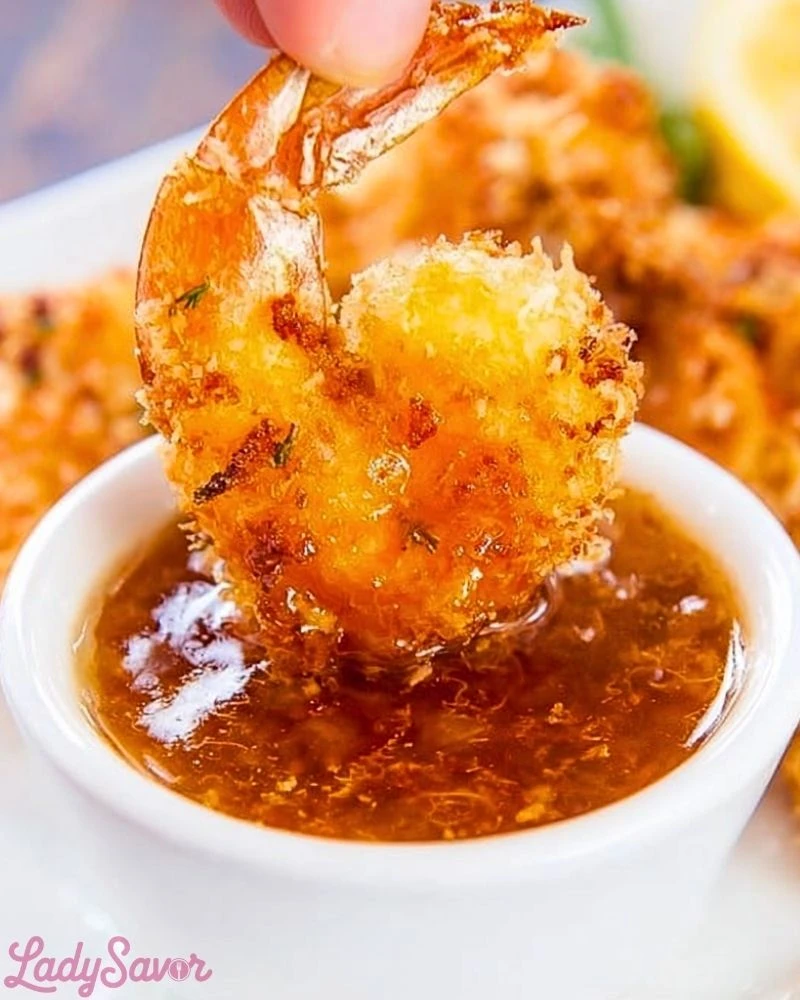
Step 1: Prepare the Shrimp
Start by rinsing the shrimp under cold water and patting them completely dry with paper towels. Removing excess moisture is important because it helps the coating stick better and prevents oil splatter during cooking.
If the shrimp are not already cleaned, peel and devein them while leaving the tails attached. The tails make the shrimp easier to hold and create a more attractive presentation.
Season the shrimp lightly with salt and black pepper before coating them. This simple step helps build flavor from the inside out.
Step 2: Set Up the Coating Station
Prepare three separate bowls for the breading process. In the first bowl, add the flour along with garlic powder, paprika, salt, and pepper.
In the second bowl, whisk the eggs until smooth. The egg mixture acts as the adhesive that helps the coconut coating stay attached during cooking.
In the third bowl, combine the shredded coconut and panko breadcrumbs. Mixing the two ingredients evenly ensures every shrimp gets a balanced coating with both crunch and coconut flavor.
Keeping the bowls arranged in order creates a smooth workflow and helps avoid messy hands while coating the shrimp.
Step 3: Coat the Shrimp
Take each shrimp and dredge it lightly in the seasoned flour mixture, making sure all sides are covered. Shake off any excess flour before moving to the next step.
Dip the shrimp into the egg mixture so it is fully coated. Allow any excess egg to drip off to prevent clumping.
Finally, press the shrimp into the coconut and breadcrumb mixture. Gently press the coating onto the shrimp to ensure it sticks well. Place the coated shrimp on a tray or plate while finishing the rest.
For extra crispiness, some cooks like to repeat the egg and coconut coating process a second time.
Step 4: Heat the Oil
Pour enough oil into a deep skillet or heavy-bottomed pot to allow the shrimp to cook evenly. Heat the oil over medium-high heat until it reaches about 350°F.
Testing the oil temperature is important because oil that is too cool can make the coating greasy, while oil that is too hot may burn the coconut before the shrimp cooks through.
If you do not have a thermometer, drop a few breadcrumb crumbs into the oil. If they sizzle immediately and float to the top, the oil is ready.
Step 5: Fry the Coconut Shrimp
Carefully place a few shrimp into the hot oil without overcrowding the pan. Cooking in batches helps maintain the oil temperature and ensures even crisping.
Fry the shrimp for about 2 to 3 minutes per side, or until the coating becomes golden brown and crispy. Shrimp cook very quickly, so keep a close eye on them to avoid overcooking.
Use tongs or a slotted spoon to remove the cooked shrimp and place them on a paper towel-lined plate to absorb excess oil.
The coating should be crisp and deeply golden while the shrimp inside remain tender and juicy.
Step 6: Prepare the Dipping Sauce
While the shrimp cool slightly, prepare your preferred dipping sauce. Sweet chili sauce is a popular choice because its sweet and spicy flavor complements the coconut coating beautifully.
You can also mix mayonnaise with sriracha for a creamy spicy sauce or combine orange marmalade with chili flakes for a fruity tropical dip.
Serving the shrimp with a flavorful sauce enhances the overall experience and adds another layer of texture and taste.
Step 7: Serve the Coconut Shrimp
Arrange the Coconut Shrimp on a serving platter while still warm and crispy. Garnish with chopped parsley, green onions, or lime wedges for added freshness and color.
These shrimp can be served as an appetizer, party snack, or main dish alongside rice, salad, or roasted vegetables.
For the best texture and flavor, Coconut Shrimp should be enjoyed immediately after cooking while the coating is still crisp.
How Long to Prepare the Coconut Shrimp
Preparing Coconut Shrimp is surprisingly manageable, which is one reason this recipe is so popular for both casual dinners and entertaining guests. Most of the preparation time goes into coating the shrimp, but once the breading station is organized, the process becomes quick and efficient.
For the prep work, expect to spend about 20 to 25 minutes cleaning, seasoning, and coating the shrimp. If the shrimp are already peeled and deveined, the process moves even faster. Setting up the flour, egg, and coconut mixture ahead of time helps streamline everything.
Cooking the shrimp itself is very fast. Since shrimp cook quickly, frying usually takes around 2 to 3 minutes per side. A full batch can often be completed within 10 to 15 minutes depending on the size of the skillet or fryer.
If you choose to bake or air fry the shrimp instead of deep frying, the cooking time may increase slightly. Air frying generally takes around 8 to 10 minutes, while baking may take 12 to 15 minutes depending on the oven temperature.
Overall, Coconut Shrimp can usually be fully prepared and served in about 35 to 45 minutes, making it a practical recipe for busy evenings while still feeling impressive enough for special occasions.
Tips for Perfect Coconut Shrimp
One of the best ways to achieve perfectly crispy Coconut Shrimp is to pat the shrimp completely dry before coating them. Excess moisture can prevent the breading from sticking properly and may create soggy spots during cooking.
Using a combination of shredded coconut and panko breadcrumbs creates the ideal texture. The coconut adds flavor and sweetness while the panko delivers an airy crunch that stays crisp longer.
Maintaining the correct oil temperature is essential. Oil that is too cool absorbs into the coating and makes the shrimp greasy, while overly hot oil can burn the coconut before the shrimp finish cooking.
Cooking in small batches also helps achieve better results. Overcrowding the pan lowers the oil temperature and causes uneven cooking.
For an even crispier coating, allow the breaded shrimp to rest for a few minutes before frying. This helps the coating adhere more securely.
Fresh lime juice squeezed over the shrimp right before serving brightens the flavors and balances the sweetness of the coconut beautifully.
Watch Out for These Mistakes While Cooking
One common mistake is overcooking the shrimp. Shrimp cook very quickly, and leaving them in the oil too long can make them rubbery and dry instead of tender and juicy.
Another issue is using overly wet shrimp during the breading process. Moisture prevents the flour and coconut mixture from sticking evenly, which can cause the coating to fall off during frying.
Skipping the seasoning is another mistake that affects the final flavor. Even though the coconut coating is flavorful, lightly seasoning the shrimp and breading layers makes a noticeable difference.
Using sweetened coconut without balancing flavors can sometimes make the shrimp overly sweet. Adding savory seasonings like garlic powder, paprika, or black pepper helps create balance.
Frying at inconsistent temperatures can also ruin the texture. If the oil temperature drops too much between batches, the coating may absorb excess oil and lose its crunch.
Finally, avoid stacking freshly fried shrimp on top of each other. The steam trapped between them can soften the crispy coating.
What to Serve With Coconut Shrimp?
Tropical Mango Salsa
A fresh mango salsa pairs beautifully with Coconut Shrimp because the sweetness of the mango complements the coconut coating. The freshness of lime juice, cilantro, and red onion creates a bright contrast to the crispy shrimp.
Coconut Rice
Coconut rice enhances the tropical flavors of the dish while providing a soft, creamy side that balances the crunchy shrimp. The subtle sweetness of the rice works especially well with spicy dipping sauces.
Fresh Green Salad
A crisp green salad with citrus vinaigrette adds freshness and lightness to the meal. The acidity from the dressing helps cut through the richness of the fried coating.
Roasted Vegetables
Roasted vegetables such as asparagus, zucchini, or bell peppers provide savory balance and color to the plate. Their slightly caramelized flavor complements the shrimp nicely.
Sweet Chili Dipping Sauce
Sweet chili sauce remains one of the best accompaniments for Coconut Shrimp. Its combination of sweetness, heat, and tanginess creates a flavorful dipping experience that highlights the crispy coating.
Storage Instructions
Refrigerating Coconut Shrimp
If you have leftovers, allow the Coconut Shrimp to cool completely before storing them. Placing hot shrimp directly into a container can create steam, which softens the coating.
Store the shrimp in an airtight container lined with paper towels to help absorb excess moisture. They can typically be refrigerated for up to 3 days.
Reheating for Best Texture
The best way to reheat Coconut Shrimp is in an oven or air fryer. This helps restore the crispy texture without making the coating soggy.
Preheat the oven to 375°F and heat the shrimp for about 8 to 10 minutes, or until warmed through. In an air fryer, reheating usually takes around 4 to 5 minutes.
Avoid microwaving if possible because it softens the crispy coating and may overcook the shrimp.
Freezing Instructions
Coconut Shrimp can also be frozen for longer storage. Arrange the cooked shrimp in a single layer on a baking sheet and freeze until solid before transferring them to a freezer-safe container or bag.
Frozen Coconut Shrimp can generally be stored for up to 2 months. Reheat directly from frozen in the oven or air fryer until crispy and heated through.
Estimated Nutrition
The nutritional value of Coconut Shrimp may vary depending on the cooking method and ingredients used, but a typical serving generally includes a balance of protein, carbohydrates, and fats.
A serving of Coconut Shrimp usually contains moderate calories due to the breading and frying process. Shrimp themselves are naturally high in protein and relatively low in fat, while the coconut coating contributes texture and flavor.
Using an air fryer or baking method instead of deep frying can help reduce the overall fat and calorie content. Pairing the shrimp with lighter sides such as salad or vegetables can also create a more balanced meal.
Typical estimates per serving may include:
- Calories: 350 to 450
- Protein: 20 to 25 grams
- Carbohydrates: 20 to 30 grams
- Fat: 15 to 25 grams
- Fiber: 2 to 4 grams
- Sodium: Varies depending on seasoning and sauce
Frequently Asked Questions
Can I make Coconut Shrimp ahead of time?
Yes, you can bread the shrimp several hours ahead and store them in the refrigerator until ready to cook. Frying them fresh right before serving provides the best texture.
Can I use frozen shrimp?
Frozen shrimp work very well for this recipe. Just make sure they are fully thawed and dried thoroughly before breading.
Is it possible to bake Coconut Shrimp instead of frying?
Yes, baking is a great alternative. Arrange the shrimp on a baking sheet, lightly spray them with oil, and bake until golden and crispy.
Why is my coating falling off?
The coating may fall off if the shrimp are too wet or if the breading layers were not pressed firmly onto the shrimp. Allowing the coated shrimp to rest briefly before cooking can also help.
What sauces pair best with Coconut Shrimp?
Sweet chili sauce is the classic option, but spicy mayo, honey mustard, orange marmalade sauce, or pineapple dipping sauces also pair wonderfully.
Conclusion
Coconut Shrimp is one of those dishes that combines simplicity with bold flavor in the best possible way. The crispy golden coating, sweet coconut flavor, and juicy shrimp create a combination that feels both comforting and impressive.
Whether served as a party appetizer, quick dinner, or tropical-inspired snack, this recipe delivers satisfying crunch and flavor in every bite. With a few simple ingredients and the right cooking techniques, it becomes easy to create restaurant-style Coconut Shrimp right in your own kitchen.
The versatility of the recipe also makes it easy to customize with different sauces, cooking methods, and side dishes. Once you try homemade Coconut Shrimp, it quickly becomes a recipe worth making again and again.
Coconut Shrimp
- Total Time: 40 minutes
- Yield: 4 servings 1x
- Diet: Pescatarian
Description
Golden, crispy Coconut Shrimp is the perfect combination of crunchy texture and juicy seafood flavor in every bite. Coated with sweet shredded coconut and crunchy panko breadcrumbs, these shrimp are fried until beautifully golden and served with a flavorful dipping sauce that makes them completely irresistible. This easy recipe is perfect for a quick dinner, party appetizer, game day snack, or tropical-inspired seafood meal. Whether you are searching for easy dinner ideas, seafood appetizers, quick party foods, or crispy shrimp recipes, this Coconut Shrimp recipe delivers restaurant-quality results at home. The balance of sweet coconut, savory seasoning, and tender shrimp creates a dish that feels both comforting and impressive while remaining simple enough for busy weeknights.
Ingredients
1 pound large shrimp, peeled and deveined with tails on
1/2 cup all-purpose flour
2 large eggs
1 cup shredded sweetened coconut
1 cup panko breadcrumbs
1 teaspoon salt
1/2 teaspoon black pepper
1 teaspoon garlic powder
1/2 teaspoon paprika
Vegetable oil for frying
1/2 cup sweet chili sauce for serving
Lime wedges for garnish
Fresh parsley for garnish
Instructions
1. Pat the shrimp completely dry using paper towels and lightly season them with salt and pepper.
2. Prepare three separate bowls. Add flour, garlic powder, paprika, salt, and pepper to the first bowl. Whisk the eggs in the second bowl. Combine shredded coconut and panko breadcrumbs in the third bowl.
3. Coat each shrimp in the flour mixture, then dip into the eggs, and finally press into the coconut breadcrumb mixture until fully coated.
4. Place the coated shrimp on a tray and let them rest for a few minutes so the coating adheres properly.
5. Heat vegetable oil in a deep skillet or pot to 350°F.
6. Fry the shrimp in small batches for 2 to 3 minutes per side until golden brown and crispy.
7. Remove the shrimp using a slotted spoon and place them on a paper towel-lined plate to drain excess oil.
8. Serve immediately with sweet chili sauce, lime wedges, and fresh parsley garnish.
Notes
Patting the shrimp dry before breading helps the coating stick better and creates a crispier texture.
Fry the shrimp in small batches to maintain the oil temperature and avoid greasy coating.
For a lighter version, the shrimp can be air fried or baked until crispy and golden.
- Prep Time: 25 minutes
- Cook Time: 15 minutes
- Category: Appetizer
- Method: Frying
- Cuisine: American Seafood
Nutrition
- Serving Size: 4
- Calories: 420
- Sugar: 8g
- Sodium: 780mg
- Fat: 22g
- Saturated Fat: 10g
- Unsaturated Fat: 10g
- Trans Fat: 0g
- Carbohydrates: 28g
- Fiber: 3g
- Protein: 24g
- Cholesterol: 210mg