
 Sally Thompson
I’ve always loved how a simple pot of apples can transform into something comforting, warm, and full of nostalgia. When I make stovetop applesauce, the kitchen fills with a gentle sweetness that feels like home. It’s one of those recipes I come back to when I want something easy yet deeply satisfying.
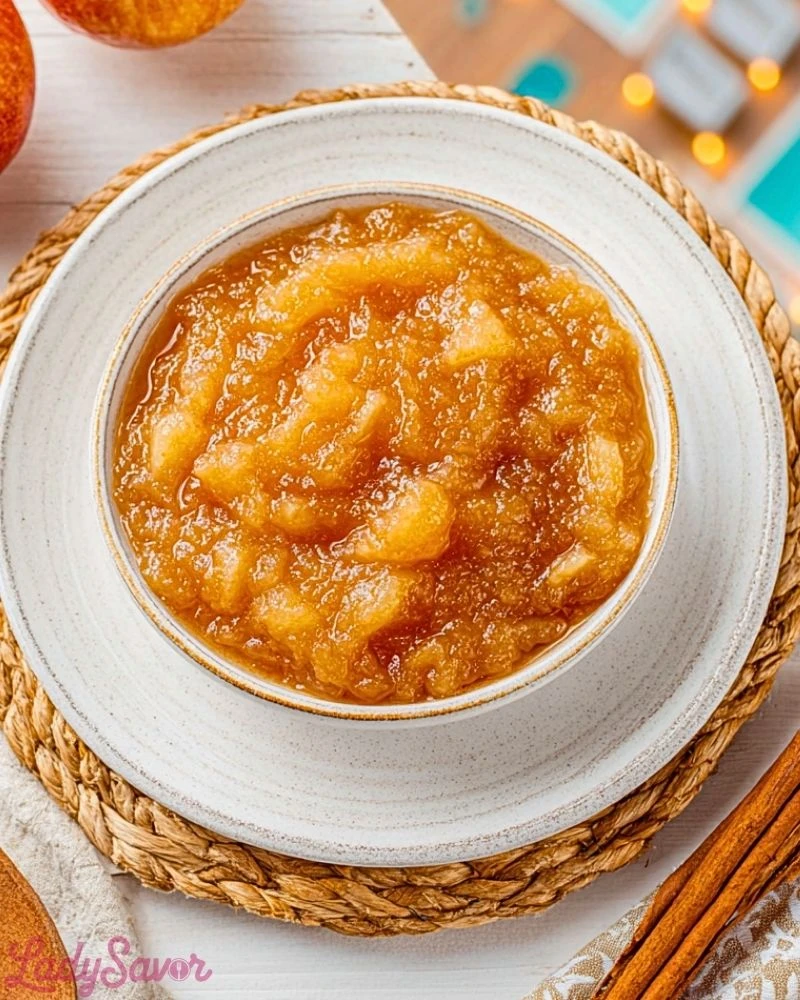
What makes this stovetop applesauce special to me is how adaptable it is. Whether I’m craving something lightly spiced or naturally sweet, I can tweak it to match my mood. Plus, it’s a great way to use up fresh apples and create a wholesome dish without much effort.
Why You’ll Love This Stovetop Applesauce
This stovetop applesauce is incredibly simple to prepare, making it perfect for busy days or relaxed weekends. It uses minimal ingredients, yet delivers a rich, naturally sweet flavor that feels far more complex than the effort involved.
Another reason I keep making it is its versatility. You can enjoy it warm or chilled, as a snack, side dish, or even a topping for pancakes, oatmeal, or yogurt. It’s also easy to customize with spices like cinnamon or nutmeg.
What Kind of Apples Should I Use for Stovetop Applesauce?
Choosing the right apples can shape the final flavor and texture of your stovetop applesauce. I like using a mix of sweet and tart varieties to create balance. Apples like Fuji or Gala bring sweetness, while Granny Smith adds a pleasant tang.
If you prefer a smoother and naturally sweeter applesauce, lean toward softer, sweeter apples. For a chunkier texture with a bit of zing, mixing different types is the way to go.
Options for Substitutions
If you don’t have the exact ingredients on hand, this stovetop applesauce is very forgiving. You can swap white sugar with honey, maple syrup, or even skip added sweeteners entirely if your apples are naturally sweet.
For spices, cinnamon is classic, but you can experiment with nutmeg, cloves, or even a hint of ginger. If you want a brighter flavor, a splash of lemon juice can replace or enhance the natural acidity.
Ingredients for this Stovetop Applesauce
Apples
The heart of the recipe. Apples provide natural sweetness, texture, and flavor. Using a mix of varieties creates a more complex taste—some break down into a smooth base while others hold small chunks for texture.
Water
Helps the apples soften as they cook and prevents them from sticking or burning at the bottom of the pot. It also helps create that soft, spoonable consistency.
Sugar or Natural Sweetener
Enhances the sweetness, especially if the apples are more tart. You can adjust or skip this depending on your preference and the type of apples used.
Lemon Juice
Adds brightness and balances the sweetness. It also helps preserve the color of the applesauce, keeping it from turning too brown.
Cinnamon
Brings warmth and depth to the flavor. It’s the classic spice that pairs beautifully with apples.
Nutmeg (optional)
Adds a subtle, slightly nutty spice that complements cinnamon and enhances the overall aroma.
Salt
A small pinch sharpens all the flavors and prevents the applesauce from tasting flat.
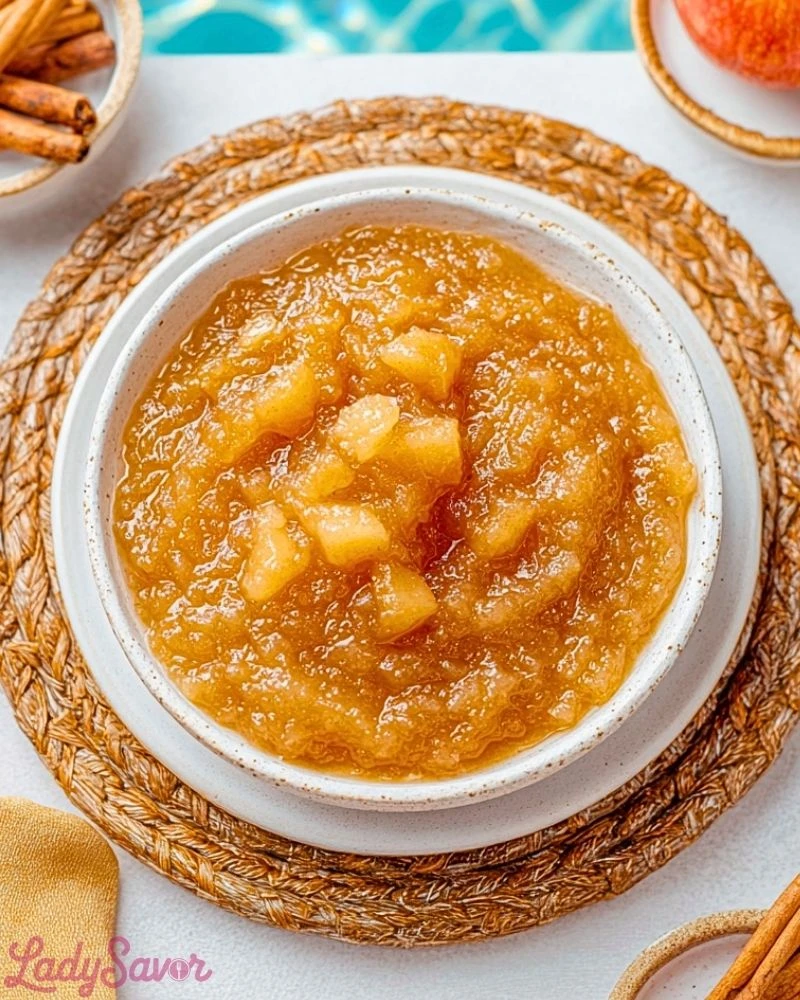
Step 1: Prepare the Apples
Start by washing, peeling, coring, and chopping your apples into evenly sized pieces. Smaller chunks will cook faster and break down more easily, while larger pieces will give a chunkier texture.
Take your time here—uniform pieces ensure even cooking and a consistent final result.
Step 2: Combine Ingredients in a Pot
Place the chopped apples into a medium saucepan. Add water, lemon juice, and a pinch of salt. If you’re using sugar or another sweetener, add it at this stage so it dissolves evenly as the apples cook.
Stir everything gently to coat the apples and distribute the ingredients.
Step 3: Cook the Apples
Set the pot over medium heat and bring the mixture to a gentle simmer. Once it starts bubbling lightly, reduce the heat to low and cover the pot.
Let the apples cook for about 15–25 minutes, stirring occasionally. As they soften, they’ll begin to release their juices and break down naturally.
Step 4: Mash or Blend to Desired Texture
Once the apples are very soft, remove the pot from heat. Use a fork, potato masher, or immersion blender to achieve your preferred consistency.
For a chunky applesauce, mash lightly. For a smoother finish, blend until creamy.
Step 5: Add Spices and Adjust Flavor
Stir in cinnamon and any additional spices like nutmeg. Taste the applesauce and adjust sweetness or acidity if needed—this is where you can personalize the flavor.
If it tastes too tart, add a bit more sweetener. If it’s too sweet, a splash of lemon juice can balance it out.
Step 6: Cool and Serve
Allow the applesauce to cool slightly before serving. It can be enjoyed warm for a cozy feel or chilled for a refreshing snack.
Serve it on its own, or pair it with pancakes, oatmeal, roasted meats, or yogurt for added flavor.
How Long to Prepare the Stovetop Applesauce
Making stovetop applesauce is pleasantly quick and doesn’t require much hands-on effort. The preparation stage—washing, peeling, coring, and chopping the apples—usually takes about 10 to 15 minutes depending on how many apples you’re using and how comfortable you are with knife work.
Once everything is prepped, the cooking process takes around 15 to 25 minutes. During this time, the apples soften and naturally break down, creating that signature applesauce texture. Altogether, you can expect the entire recipe to be ready in roughly 30 to 40 minutes.
Tips for Perfect Stovetop Applesauce
Choosing a mix of apple varieties can elevate your applesauce from good to exceptional. Combining sweet and tart apples gives a balanced flavor that tastes more natural and less one-dimensional.
Cutting the apples into evenly sized pieces ensures they cook at the same rate. This helps avoid some pieces being too firm while others turn mushy.
Cooking on low heat after the initial simmer prevents scorching and allows the apples to soften gently. Stirring occasionally keeps everything evenly cooked and prevents sticking.
Watch Out for These Mistakes While Cooking
One common mistake is adding too much water at the beginning. This can make the applesauce overly thin and dilute the flavor. Start with a small amount—you can always add more if needed.
Another issue is over-sweetening early on. Since apples naturally release sugars as they cook, it’s best to adjust sweetness toward the end.
Skipping the lemon juice can result in a dull flavor and darker color. Even a small amount makes a noticeable difference.
What to Serve With Stovetop Applesauce?
Pancakes or Waffles
The natural sweetness of applesauce pairs beautifully with breakfast classics, adding moisture and flavor without needing heavy syrups.
Roasted Pork or Chicken
Applesauce complements savory meats by adding a sweet and slightly tangy contrast that enhances the overall dish.
Oatmeal
Stirring applesauce into warm oatmeal creates a naturally sweet and comforting breakfast.
Yogurt Parfaits
Layer it with yogurt and granola for a quick, balanced snack or breakfast option.
Toast or Muffins
Spread it over warm toast or serve alongside muffins for a simple, cozy treat.
Storage Instructions
Refrigeration
Allow the applesauce to cool completely before transferring it to an airtight container. It can be stored in the refrigerator for up to 5 days while maintaining its flavor and texture.
Freezing
For longer storage, applesauce freezes very well. Portion it into freezer-safe containers or bags, leaving a bit of space for expansion. It can last up to 3 months in the freezer.
Reheating
To reheat, simply warm it gently on the stovetop or in the microwave. Stir occasionally and add a splash of water if it becomes too thick.
Estimated Nutrition
A typical serving of stovetop applesauce is relatively low in calories and naturally fat-free. It provides dietary fiber, vitamin C, and beneficial antioxidants from the apples.
The exact nutritional values will vary depending on the type of apples used and whether additional sweeteners are added.
Frequently Asked Questions
Can I leave the skins on the apples?
Yes, you can. Leaving the skins on adds extra fiber and nutrients, though the texture will be slightly more rustic unless blended thoroughly.
How do I make applesauce smoother?
Using an immersion blender or standard blender will give you a silky, smooth consistency compared to mashing by hand.
Can I make this without sugar?
Absolutely. If your apples are naturally sweet, you may not need any added sugar at all.
Why is my applesauce too watery?
This usually happens from adding too much liquid. You can fix it by simmering uncovered to let excess moisture evaporate.
Can I use this as a baking substitute?
Yes, applesauce is often used as a substitute for oil or butter in baking, helping reduce fat while keeping baked goods moist.
Conclusion
Stovetop applesauce is one of those simple recipes that delivers comfort and flavor with minimal effort. Whether you enjoy it warm on a chilly day or chilled as a refreshing snack, it’s a versatile addition to your kitchen.
Once you’ve made it from scratch, it’s hard to go back to store-bought. With just a few ingredients and a little time, you can create something wholesome, customizable, and truly satisfying.

Stovetop Applesauce
- Total Time: 35 minutes
- Yield: 4 servings 1x
- Diet: Vegetarian
Description
This stovetop applesauce is a cozy, quick breakfast or healthy snack that fills your kitchen with warm cinnamon aroma. Made with fresh apples and simple pantry staples, it’s an easy recipe perfect for breakfast ideas, dinner sides, or wholesome food ideas. Whether you enjoy it chunky or smooth, this homemade applesauce delivers comforting flavor in every spoonful.
Ingredients
6 medium apples peeled cored and chopped
1/2 cup water
2 tablespoons sugar or maple syrup
1 tablespoon lemon juice
1 teaspoon ground cinnamon
1/4 teaspoon nutmeg optional
1 pinch salt
Instructions
1. Wash peel core and chop the apples into evenly sized pieces for consistent cooking.
2. Add the apples water lemon juice sugar and salt into a medium saucepan and stir gently.
3. Bring the mixture to a gentle simmer over medium heat then reduce to low and cover.
4. Cook for 15 to 25 minutes stirring occasionally until the apples are very soft.
5. Mash with a fork or potato masher for a chunky texture or blend for a smooth consistency.
6. Stir in cinnamon and nutmeg then taste and adjust sweetness or acidity if needed.
7. Let cool slightly before serving warm or refrigerate for a chilled version.
Notes
Use a mix of sweet and tart apples for the best balanced flavor.
Add sweetener gradually at the end to avoid over-sweetening.
For extra smooth applesauce use an immersion blender after cooking.
- Prep Time: 15 minutes
- Cook Time: 20 minutes
- Category: Snack
- Method: Stovetop
- Cuisine: American
Nutrition
- Serving Size: 1 serving
- Calories: 120
- Sugar: 20g
- Sodium: 5mg
- Fat: 0g
- Saturated Fat: 0g
- Unsaturated Fat: 0g
- Trans Fat: 0g
- Carbohydrates: 31g
- Fiber: 4g
- Protein: 0g
- Cholesterol: 0mg