
 Sally Thompson
There’s something undeniably comforting about a bowl of creamy cafeteria noodles—the kind that instantly takes you back to simple, satisfying meals. Soft, buttery noodles coated in a silky, rich sauce create a dish that feels both nostalgic and indulgent. Every bite delivers warmth, with just the right balance of creaminess and subtle seasoning.
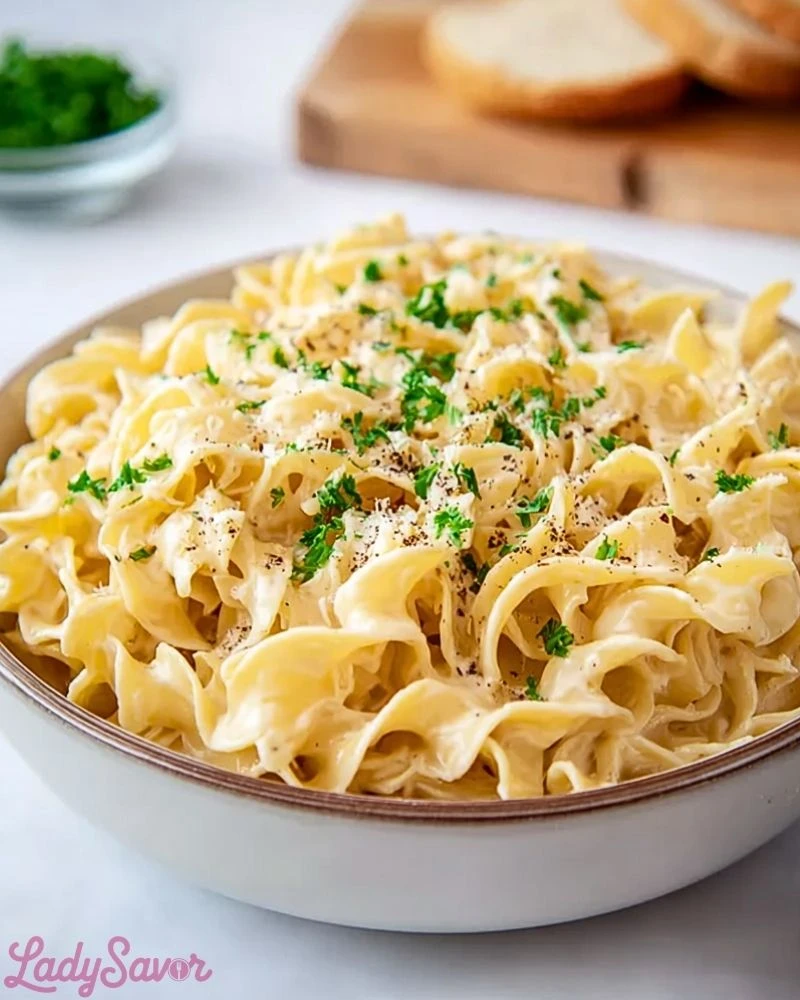
This dish is perfect for busy weeknights or when you crave something cozy without spending hours in the kitchen. With minimal ingredients and straightforward steps, creamy cafeteria noodles bring classic comfort food right to your table in no time.
Why You’ll Love This Creamy Cafeteria Noodles
This recipe stands out for its simplicity and flavor. It comes together quickly, making it ideal for last-minute meals, yet tastes like something much more indulgent. The creamy texture pairs beautifully with the tender noodles, creating a dish that appeals to both kids and adults.
Another reason to love it is its versatility. You can easily customize it by adding chicken, vegetables, or extra cheese depending on your preference. It’s also budget-friendly, using pantry staples to create a satisfying and filling meal.
Preparation Phase & Tools to Use (Essential Tools and Equipment and Their Importance)
To make creamy cafeteria noodles efficiently, having the right tools on hand makes a noticeable difference. A large pot is essential for boiling the noodles evenly, allowing them to cook to the perfect tender texture. A colander helps drain the noodles quickly while preventing overcooking.
A medium saucepan is crucial for preparing the creamy sauce, ensuring even heat distribution so the sauce doesn’t burn or separate. A whisk is particularly important for blending the sauce smoothly, preventing lumps and creating that signature creamy consistency. Finally, a wooden spoon or silicone spatula helps combine everything gently without breaking the noodles.
Preparation Tips
For the best results, cook the noodles just until al dente, as they will continue to soften slightly when mixed with the sauce. Using freshly grated cheese instead of pre-shredded varieties improves the sauce’s texture, as it melts more smoothly. Keep the heat moderate when preparing the sauce to avoid curdling, and stir consistently to maintain a velvety finish. Adding a splash of reserved pasta water can help adjust the sauce consistency if it becomes too thick.
Ingredients for this Creamy Cafeteria Noodles
To create the perfect bowl of creamy cafeteria noodles, each ingredient plays a key role in building flavor and texture. Using quality ingredients will elevate this simple dish into something truly memorable.
- 12 oz egg noodles (wide or medium)
- 2 tablespoons unsalted butter
- 2 tablespoons all-purpose flour
- 2 cups whole milk (warm)
- 1/2 cup heavy cream
- 1 cup freshly grated Parmesan cheese
- 1/2 teaspoon garlic powder
- 1/2 teaspoon onion powder
- Salt, to taste
- Black pepper, to taste
- 2 tablespoons chopped fresh parsley (optional, for garnish)
Optional Add-ins:
- 1 cup cooked shredded chicken
- 1/2 cup steamed peas or broccoli
- 1/2 cup sautéed mushrooms
- Extra cheese for a richer flavor
Step 1: Cook the Noodles
Bring a large pot of salted water to a rolling boil. Add the egg noodles and cook according to package instructions until al dente. Stir occasionally to prevent sticking. Once cooked, reserve about 1/2 cup of the pasta water, then drain the noodles using a colander. Set aside.
Step 2: Prepare the Roux Base
In a medium saucepan over medium heat, melt the butter completely. Once melted, add the flour and whisk continuously for about 1–2 minutes. This step cooks out the raw flour taste and forms a smooth roux, which is essential for thickening the sauce.
Step 3: Build the Creamy Sauce
Gradually pour in the warm milk while whisking constantly to prevent lumps. Continue whisking until the mixture thickens and becomes smooth. Add the heavy cream and keep stirring. The sauce should begin to develop a rich, velvety consistency.
Step 4: Add Flavorings and Cheese
Stir in the garlic powder, onion powder, salt, and black pepper. Reduce the heat to low, then slowly add the grated Parmesan cheese. Stir until the cheese is fully melted and incorporated into the sauce, creating a smooth and creamy texture.
Step 5: Combine Noodles and Sauce
Add the cooked noodles directly into the saucepan with the sauce. Gently toss using a wooden spoon or spatula until all the noodles are evenly coated. If the sauce feels too thick, add a splash of the reserved pasta water to loosen it to your desired consistency.
Step 6: Customize (Optional)
If you’re adding extras like chicken, vegetables, or mushrooms, fold them in at this stage. Allow everything to heat through for 2–3 minutes so the flavors meld together beautifully.
Step 7: Final Touches and Serve
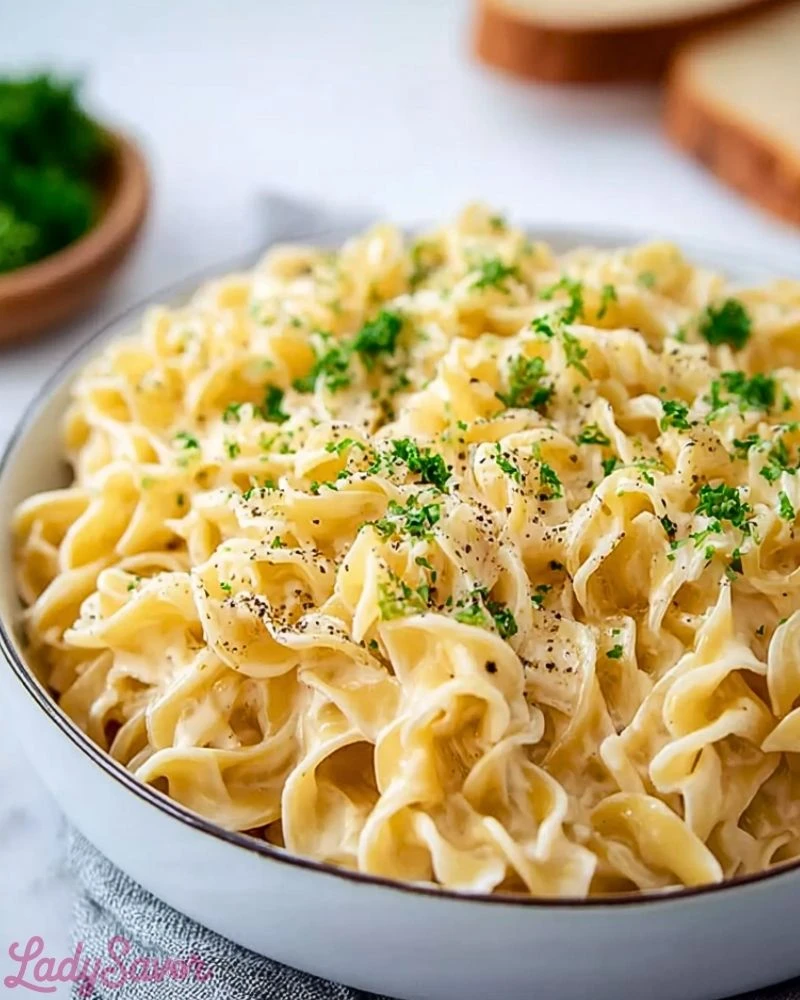
Taste and adjust seasoning if needed. Sprinkle chopped parsley over the top for freshness and a pop of color. Serve immediately while warm and creamy for the best texture and flavor.
Creamy Cafeteria Noodles
Notes
Creamy cafeteria noodles may seem like a simple dish, but small details can significantly impact the final result. The balance between the sauce and noodles is key—too much sauce can make the dish heavy, while too little can leave it dry. Always aim for a silky coating rather than a thick blanket. Using whole milk and a touch of cream ensures richness without overwhelming the palate. Additionally, seasoning gradually throughout the cooking process helps build depth rather than relying on a final adjustment.
Another important factor is timing. The sauce should be ready just as the noodles finish cooking to prevent sticking or drying out. If the noodles sit too long, they can clump together, making it harder for the sauce to coat evenly. Keeping everything warm and combining immediately yields the best texture and flavor.
Watch Out for These Mistakes While Cooking
One common mistake is overheating the sauce. High heat can cause the dairy to separate, resulting in a grainy texture instead of a smooth, creamy finish. Always cook the sauce over medium to low heat and stir consistently.
Another issue is skipping the roux step or rushing it. The flour needs enough time to cook properly with the butter to avoid a raw taste and ensure proper thickening. Similarly, adding milk too quickly without whisking can lead to lumps.
Overcooking the noodles is another pitfall. Mushy noodles will not hold the sauce well and can turn the dish overly soft. Always cook just to al dente and remember they will continue to soften slightly after mixing with the sauce.
Storage Instructions
Store any leftover creamy cafeteria noodles in an airtight container in the refrigerator for up to 3–4 days. When reheating, add a splash of milk or cream to restore the sauce’s creamy consistency, as it tends to thicken when chilled. Reheat gently on the stovetop over low heat or in the microwave in short intervals, stirring in between to ensure even warming. Avoid high heat during reheating to prevent the sauce from separating.
If freezing, note that cream-based sauces can change texture slightly after thawing. For best results, freeze without the sauce and prepare it fresh when reheating, or stir היט thoroughly after thawing to help recombine the ingredients.
Estimated Nutrition
Per serving (based on approximately 4 servings):
- Calories: 420–480 kcal
- Protein: 14–18 g
- Carbohydrates: 45–50 g
- Fat: 20–25 g
- Saturated Fat: 12–15 g
- Cholesterol: 55–70 mg
- Sodium: 300–450 mg
- Fiber: 2–3 g
- Sugar: 4–6 g
These values may vary depending on the specific ingredients and any optional add-ins used.
Frequently Asked Questions
Can I use a different type of pasta?
Yes, while egg noodles are traditional for this dish, you can substitute with fettuccine, penne, or rotini. Just choose a pasta shape that holds sauce well.
Can I make this recipe ahead of time?
You can prepare it ahead, but it’s best served fresh. If making in advance, slightly undercook the noodles and store the sauce separately for better texture when reheating.
How can I make it healthier?
Use low-fat milk instead of whole milk, reduce the cheese slightly, and add vegetables like spinach or broccoli to increase nutritional value.
What cheese works best besides Parmesan?
You can use Romano, Asiago, or even a mild cheddar for a different flavor profile. Mixing cheeses can also enhance depth.
Why is my sauce lumpy?
Lumps usually occur from adding milk too quickly or not whisking enough. Gradually adding warm milk while whisking helps create a smooth sauce.
Can I make this gluten-free?
Yes, substitute regular noodles with gluten-free pasta and use a gluten-free flour blend for the roux.
How do I thin out a thick sauce?
Add small amounts of reserved pasta water, milk, or cream while stirring until the desired consistency is reached.
Can I add protein to this dish?
Absolutely. Cooked chicken, turkey, shrimp, or even crispy bacon can be added to make the dish more filling.
Conclusion
Creamy cafeteria noodles deliver everything you want in a comfort dish—richness, simplicity, and satisfying flavor. With just a handful of ingredients and a straightforward process, you can recreate this nostalgic favorite at home with ease. Whether served as a main course or a side, it’s a versatile recipe that adapts to your tastes and needs while always delivering that warm, creamy goodness.

Creamy Cafeteria Noodles
- Total Time: 30 minutes
- Yield: 4 servings 1x
- Diet: Vegetarian
Description
Craving a cozy, satisfying dish that comes together fast? These creamy cafeteria noodles are the perfect quick dinner, easy recipe, and comforting food idea all in one. Tender egg noodles are coated in a rich, velvety cream sauce with just the right balance of flavor, making this a go-to for busy weeknights, family meals, or simple dinner ideas. Whether you’re looking for a nostalgic comfort dish or a budget-friendly meal, this recipe delivers creamy goodness in every bite.
Ingredients
12 oz egg noodles
2 tablespoons unsalted butter
2 tablespoons all-purpose flour
2 cups whole milk
1/2 cup heavy cream
1 cup freshly grated Parmesan cheese
1/2 teaspoon garlic powder
1/2 teaspoon onion powder
1 teaspoon salt
1/2 teaspoon black pepper
2 tablespoons chopped fresh parsley
Instructions
1. Bring a large pot of salted water to a boil and cook the egg noodles until al dente. Reserve 1/2 cup pasta water, then drain.
2. Melt butter in a saucepan over medium heat and whisk in flour, cooking for 1–2 minutes.
3. Gradually add warm milk while whisking until smooth and thickened.
4. Stir in heavy cream and continue mixing until creamy.
5. Add garlic powder, onion powder, salt, and pepper.
6. Reduce heat and stir in Parmesan cheese until melted.
7. Add cooked noodles and toss to coat evenly.
8. Adjust consistency with reserved pasta water if needed.
9. Garnish with parsley and serve warm.
Notes
Use freshly grated cheese for best melting and texture.
Keep heat moderate to prevent sauce from separating.
Add pasta water when reheating to maintain creaminess.
- Prep Time: 10 minutes
- Cook Time: 20 minutes
- Category: Dinner
- Method: Stovetop
- Cuisine: American
Nutrition
- Serving Size: 1 serving
- Calories: 450
- Sugar: 5g
- Sodium: 380mg
- Fat: 22g
- Saturated Fat: 13g
- Unsaturated Fat: 7g
- Trans Fat: 0g
- Carbohydrates: 48g
- Fiber: 2g
- Protein: 16g
- Cholesterol: 60mg