
 Sally Thompson
I always find myself coming back to these soft and buttery coconut cookies whenever I want something simple, cozy, and incredibly satisfying. They have the perfect balance of rich buttery flavor and sweet coconut in every bite, with crisp golden edges and a tender center that practically melts in your mouth. The aroma alone filling the kitchen while they bake is enough to make everyone impatient for the first batch.
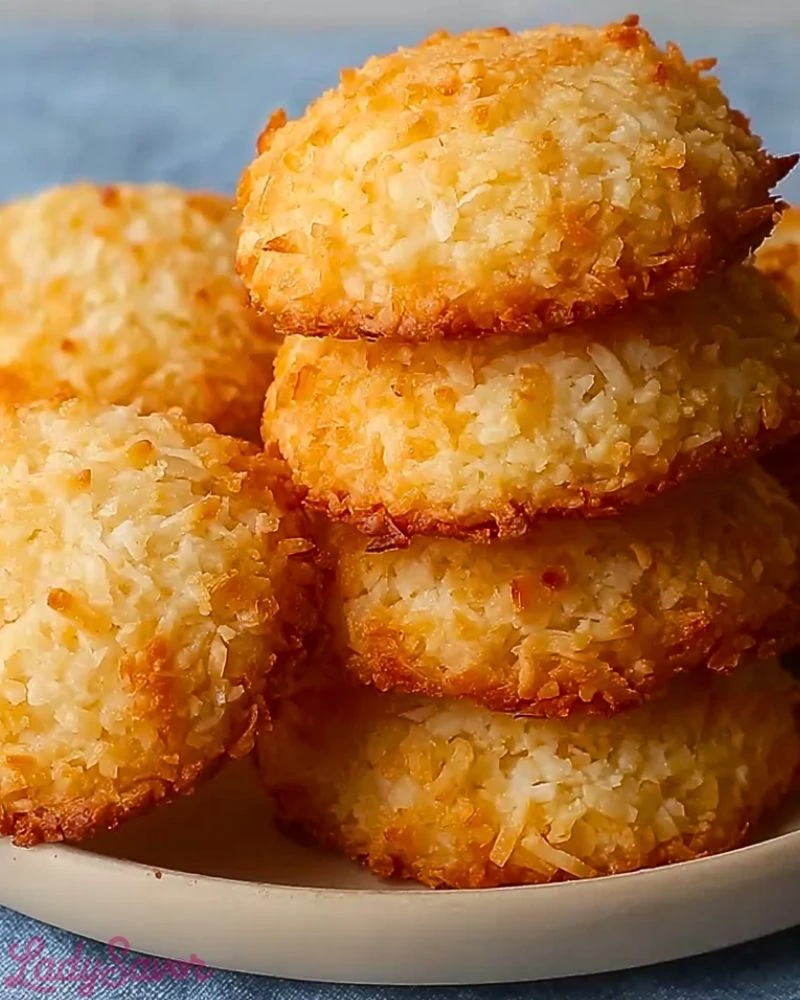
What I love most about these cookies is how effortless they are to make while still tasting bakery-worthy. They’re perfect for afternoon coffee breaks, holiday cookie trays, quick dessert cravings, or even homemade gifts. Whether you enjoy coconut desserts regularly or just want to try something new, these cookies have a comforting flavor and texture that make them hard to resist.
Why You’ll Love This Soft and Buttery Coconut Cookies Recipe
These cookies are wonderfully soft on the inside with lightly crisp edges that create the perfect texture combination. The shredded coconut adds a delicate chewiness while the butter keeps every bite rich and flavorful.
Another reason this recipe stands out is how beginner-friendly it is. You don’t need complicated techniques or fancy equipment to create cookies that look and taste impressive. Everything comes together with simple pantry ingredients and a straightforward mixing process.
They’re also incredibly versatile. You can enjoy them plain, dip them in chocolate, add citrus zest, or even turn them into sandwich cookies with a creamy filling. The recipe easily adapts to different occasions and flavor preferences.
What Kind of Coconut Should I Use?
Sweetened shredded coconut is one of the best choices for these cookies because it adds both texture and sweetness while helping the cookies stay moist. It creates that classic chewy coconut bite many people expect in coconut cookies.
Unsweetened coconut also works well if you prefer a less sweet dessert. The flavor becomes slightly nuttier and more natural, which pairs beautifully with the buttery dough.
For extra texture, you can use larger coconut flakes instead of finely shredded coconut. Larger flakes toast beautifully in the oven and give the cookies a more rustic bakery-style appearance.
If you enjoy deeper coconut flavor, lightly toasting the coconut before mixing it into the dough can make a noticeable difference. It brings out warm, nutty notes that make the cookies even more irresistible.
Options for Substitutions
Butter can be replaced with margarine or a plant-based butter alternative if needed. While traditional butter gives the richest flavor, these alternatives still create soft and delicious cookies.
All-purpose flour can be swapped with a gluten-free baking blend for a gluten-free version. Make sure the blend includes binding ingredients for the best cookie texture.
If you want a slightly different sweetness profile, brown sugar can replace part of the white sugar. Brown sugar adds a subtle caramel flavor and makes the cookies even softer.
Vanilla extract pairs beautifully with coconut, but almond extract can also be used for a richer bakery-style flavor. Even a small amount creates a noticeable difference.
For dairy-free cookies, use coconut oil or vegan butter in place of regular butter. Coconut oil enhances the tropical flavor while still keeping the cookies tender.
Chocolate chips, chopped nuts, or dried fruit can also be added to the dough for extra texture and flavor variety without changing the overall simplicity of the recipe.
Ingredients for this Soft and Buttery Coconut Cookies Recipe
Butter
Butter is the heart of these cookies because it creates the rich, soft texture that makes every bite melt in your mouth. Using softened butter helps the dough mix smoothly while adding a delicious homemade flavor.
Granulated Sugar
Sugar sweetens the cookies while also helping create lightly crisp edges. It balances the buttery richness and enhances the natural sweetness of the coconut.
Brown Sugar
Brown sugar adds moisture and gives the cookies a soft chewy center. It also adds a subtle caramel flavor that pairs beautifully with coconut.
Eggs
Eggs help bind the ingredients together and provide structure to the cookies. They also contribute to the tender texture and help the cookies bake evenly.
Vanilla Extract
Vanilla extract deepens the flavor of the cookies and complements the buttery coconut taste. Even a small amount makes the cookies smell warm and inviting.
All-Purpose Flour
Flour provides the structure needed for the cookies to hold their shape while remaining soft and tender.
Baking Soda
Baking soda helps the cookies rise slightly and creates a lighter texture. It also contributes to the golden color around the edges.
Salt
A small amount of salt balances the sweetness and enhances the buttery flavor. It keeps the cookies from tasting overly sugary.
Sweetened Shredded Coconut
Shredded coconut is the star ingredient that gives these cookies their signature flavor and chewy texture. It also becomes beautifully golden while baking.
Optional Chocolate Chips
Chocolate chips can be added for extra sweetness and richness. Coconut and chocolate create a classic dessert combination.
Optional Chopped Nuts
Nuts like pecans or almonds add crunch and contrast to the soft texture of the cookies.
Step 1: Prepare the Baking Area
Start by preheating your oven so the cookies bake evenly from the moment they go in. Line baking sheets with parchment paper or silicone baking mats to prevent sticking and make cleanup easier.
It’s also helpful to measure and organize all ingredients ahead of time. Having everything ready creates a smoother baking process and helps prevent mistakes.
Step 2: Cream the Butter and Sugars
In a large mixing bowl, beat the softened butter together with the granulated sugar and brown sugar until the mixture becomes light and fluffy. This step is important because it incorporates air into the dough, creating softer cookies.
Take your time during this stage. Properly creamed butter and sugar make a noticeable difference in texture and help create cookies with tender centers.
Step 3: Add the Eggs and Vanilla
Mix in the eggs one at a time, allowing each egg to fully combine before adding the next. This helps create a smooth and balanced dough.
Add the vanilla extract and continue mixing until the dough smells rich and fragrant. The vanilla enhances both the butter and coconut flavors beautifully.
Step 4: Combine the Dry Ingredients
In a separate bowl, whisk together the flour, baking soda, and salt. Mixing the dry ingredients separately ensures the baking soda distributes evenly throughout the dough.
Slowly add the dry mixture to the wet ingredients while mixing on low speed. Avoid overmixing because too much mixing can create dense cookies instead of soft and tender ones.
Step 5: Fold in the Coconut
Gently fold the shredded coconut into the cookie dough using a spatula or wooden spoon. Make sure the coconut is evenly distributed so every cookie has plenty of texture and flavor.
If you’re using chocolate chips or chopped nuts, fold them in at this stage as well.
Step 6: Chill the Dough
For the best texture, allow the dough to chill in the refrigerator for at least 20 to 30 minutes. Chilling helps the butter firm up, which prevents the cookies from spreading too much in the oven.
This step also gives the flavors time to develop, resulting in richer and more flavorful cookies.
Step 7: Shape the Cookies
Use a cookie scoop or spoon to portion the dough onto the prepared baking sheets. Leave enough space between each cookie because they will spread slightly while baking.
For a more bakery-style appearance, gently press a little extra coconut onto the tops before baking.
Step 8: Bake Until Golden
Bake the cookies until the edges become lightly golden while the centers remain soft. The exact baking time may vary depending on your oven and cookie size.
Avoid overbaking because the cookies continue to firm up as they cool. Removing them while the centers still look slightly soft helps keep them tender.
Step 9: Cool the Cookies Properly
Allow the cookies to cool on the baking sheet for a few minutes before transferring them to a wire rack. This helps them finish setting without breaking apart.
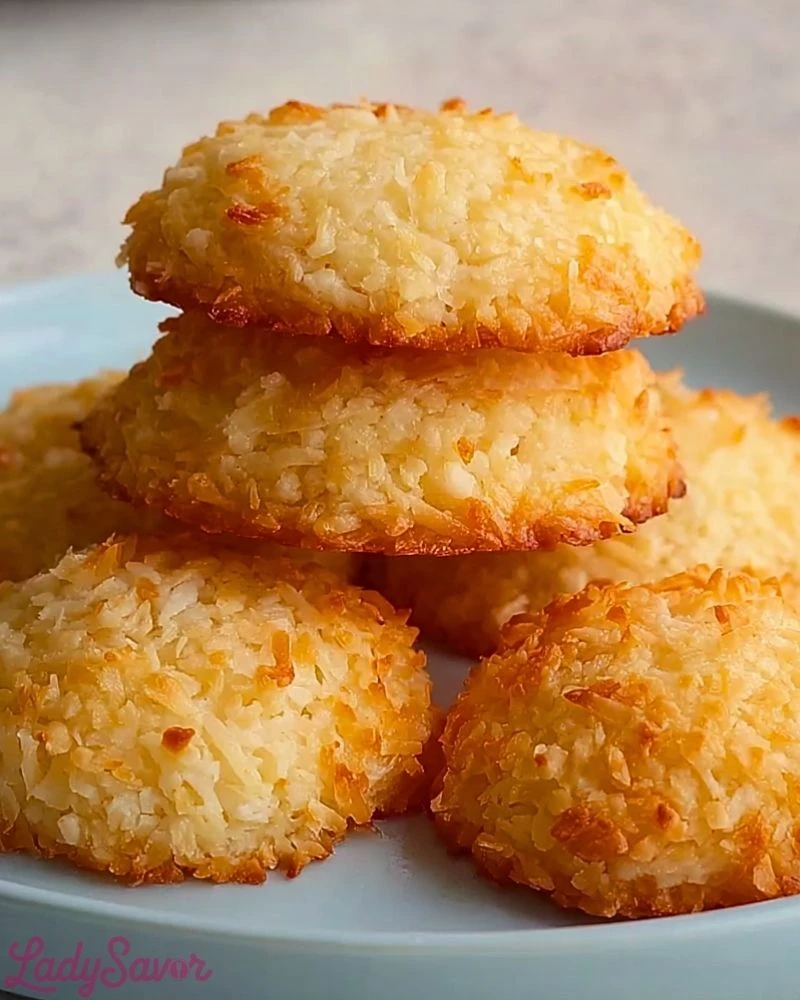
As they cool, the cookies develop their perfect balance of crisp edges and soft chewy centers.
Step 10: Serve and Enjoy
These soft and buttery coconut cookies taste incredible while still slightly warm, especially with coffee, tea, or a cold glass of milk.
They’re also wonderful for sharing during holidays, parties, afternoon snacks, or dessert platters. Their rich buttery flavor and chewy coconut texture make them unforgettable after the very first bite.
How Long to Prepare the Soft and Buttery Coconut Cookies
Making these cookies is surprisingly simple and doesn’t require hours in the kitchen, which makes them perfect for both beginner bakers and experienced home cooks. Most of the preparation time involves mixing the dough, measuring ingredients, and shaping the cookies before baking.
The active preparation time is usually around 15 to 20 minutes, especially if your butter is already softened and your ingredients are measured ahead of time. If you decide to chill the dough, add another 20 to 30 minutes for even better texture and flavor.
Baking the cookies generally takes about 10 to 14 minutes depending on their size and your oven temperature. Smaller cookies bake faster, while larger bakery-style cookies may need a few extra minutes to develop golden edges.
After baking, allow the cookies to cool for several minutes on the baking sheet before transferring them to a wire rack. Cooling helps them finish setting while keeping the centers soft and tender.
Overall, you can expect the entire process from start to finish to take approximately 45 minutes to 1 hour, including chilling and cooling time.
Tips for Perfect Soft and Buttery Coconut Cookies
Using room-temperature butter makes a huge difference in the texture of the dough. Softened butter creams more smoothly with sugar, creating lighter and fluffier cookies.
Always measure flour carefully to avoid dry cookies. Too much flour can make the cookies dense instead of soft and buttery.
Chilling the dough before baking helps prevent excessive spreading and creates thicker cookies with a richer flavor.
For extra coconut flavor, lightly toast the shredded coconut before adding it to the dough. Toasting brings out warm nutty notes that enhance the overall taste.
Use parchment paper or silicone baking mats for even baking and easier cleanup.
Avoid overcrowding the baking sheet. Leaving enough space between cookies helps them bake evenly and develop crisp edges.
If you prefer softer cookies, remove them from the oven when the centers still look slightly underbaked. They will continue to set as they cool.
For a bakery-style finish, press a little extra shredded coconut onto the tops of the cookie dough balls before baking.
A cookie scoop helps create evenly sized cookies, ensuring consistent baking time and appearance.
Let the cookies cool completely before storing them so condensation does not soften the edges.
Watch Out for These Mistakes While Cooking
One common mistake is using melted butter instead of softened butter. Melted butter can cause the cookies to spread too much and become thin.
Overmixing the dough after adding flour may create tougher cookies because it develops too much gluten.
Skipping the chilling step can result in flatter cookies, especially in warm kitchens.
Adding too much coconut may make the dough dry and crumbly. It’s important to keep the ingredient balance correct.
Overbaking is another frequent issue. Coconut cookies can go from golden to overly browned very quickly because coconut toasts fast in the oven.
Using cold ingredients directly from the refrigerator can prevent the dough from mixing evenly.
Not lining the baking tray may lead to sticking and uneven browning on the cookie bottoms.
Placing hot cookies immediately into airtight containers traps steam and can make the cookies soggy.
What to Serve With Soft and Buttery Coconut Cookies?
Fresh Coffee
The buttery richness of the cookies pairs beautifully with a hot cup of coffee. The slight bitterness of coffee balances the sweetness perfectly.
Vanilla Ice Cream
Serving these cookies with vanilla ice cream creates an easy dessert that feels extra indulgent. The creamy texture complements the chewy coconut wonderfully.
Hot Tea
A warm cup of tea, especially black tea or chai, pairs nicely with the tropical coconut flavor and buttery texture.
Fresh Fruit
Fresh berries, pineapple, or sliced mango add brightness and freshness alongside the rich cookies.
Melted Chocolate Dip
A small bowl of melted dark or milk chocolate makes these cookies even more irresistible for special occasions or dessert platters.
Storage Instructions
These cookies store very well, making them ideal for baking ahead or preparing for gatherings and holidays. Once completely cooled, place the cookies in an airtight container at room temperature.
They typically stay soft and fresh for up to 5 days when properly stored. Keeping a slice of bread inside the container can help maintain softness by preventing the cookies from drying out.
For longer storage, refrigerate the cookies in a sealed container for up to 10 days. Allow them to come to room temperature before serving for the best texture.
These cookies also freeze beautifully. Arrange them in a freezer-safe container with parchment paper between layers to prevent sticking.
Frozen cookies can last for up to 3 months. You can thaw them at room temperature or warm them slightly in the oven for a freshly baked taste.
The cookie dough itself can also be frozen before baking. Portion the dough into balls, freeze until firm, then transfer them to freezer bags for convenient future baking.
Estimated Nutrition
The nutritional values may vary slightly depending on ingredient brands and portion sizes, but each cookie generally contains:
- Calories: 160–210
- Carbohydrates: 18–24 grams
- Protein: 2–3 grams
- Fat: 9–12 grams
- Saturated Fat: 6–8 grams
- Sugar: 10–14 grams
- Fiber: 1–2 grams
- Sodium: 70–120 milligrams
These cookies are rich, buttery, and satisfying, making them a delicious treat best enjoyed in moderation.
Frequently Asked Questions
Can I use unsweetened coconut instead of sweetened coconut?
Yes, unsweetened coconut works well if you prefer less sweetness. The cookies will have a slightly nuttier flavor and a less sugary finish.
Why did my cookies spread too much?
Cookies often spread too much if the butter was too warm or if the dough was not chilled before baking.
Can I freeze the cookie dough?
Absolutely. The dough freezes very well and can be baked directly from frozen with just a few extra minutes added to the baking time.
How do I keep the cookies soft?
Store the cookies in an airtight container and avoid overbaking them. Adding a slice of bread to the container also helps maintain softness.
Can I add other mix-ins to the dough?
Yes, chocolate chips, chopped nuts, dried cranberries, or citrus zest all work wonderfully in this recipe.
Conclusion
Soft and buttery coconut cookies are one of those timeless homemade treats that never go out of style. Their golden edges, chewy coconut texture, and rich buttery flavor create the perfect balance of comfort and indulgence.
They’re easy enough for everyday baking yet special enough for holidays, dessert platters, and celebrations. Whether you enjoy them warm from the oven with coffee or save a batch for sharing with friends and family, these cookies always bring warmth and sweetness to the table.
Once you make them for the first time, they quickly become the kind of recipe you return to again and again whenever you crave something simple, nostalgic, and incredibly delicious.

Soft and Buttery Coconut Cookies
- Total Time: 32 minutes
- Yield: 24 cookies 1x
- Diet: Vegetarian
Description
These soft and buttery coconut cookies are perfectly chewy on the inside with lightly golden crisp edges that make every bite irresistible. Packed with rich buttery flavor and sweet shredded coconut, they’re an easy dessert recipe that works beautifully for holiday baking, afternoon snacks, dessert platters, quick sweet treats, and homemade cookie exchanges. Whether you’re looking for easy cookie recipes, simple dessert ideas, coconut dessert recipes, or buttery homemade cookies, this recipe delivers bakery-style results with minimal effort.
Ingredients
1 cup unsalted butter softened
3/4 cup granulated sugar
1/2 cup brown sugar
2 large eggs
1 teaspoon vanilla extract
2 cups all-purpose flour
1 teaspoon baking soda
1/2 teaspoon salt
2 cups sweetened shredded coconut
1/2 cup chocolate chips optional
1/2 cup chopped pecans optional
Instructions
1. Preheat the oven to 350°F and line baking sheets with parchment paper.
2. In a large mixing bowl, beat the softened butter, granulated sugar, and brown sugar until light and fluffy.
3. Add the eggs one at a time, mixing well after each addition. Stir in the vanilla extract.
4. In a separate bowl, whisk together the flour, baking soda, and salt.
5. Slowly add the dry ingredients into the wet ingredients and mix until combined.
6. Fold in the shredded coconut along with chocolate chips or nuts if using.
7. Chill the dough for 20 to 30 minutes for thicker cookies and better flavor.
8. Scoop the dough onto the prepared baking sheets, spacing the cookies apart evenly.
9. Bake for 10 to 14 minutes or until the edges are lightly golden.
10. Let the cookies cool on the baking sheet for several minutes before transferring to a wire rack.
11. Serve warm or store in an airtight container once completely cooled.
Notes
Do not overbake the cookies because they continue to firm up while cooling.
Chilling the dough helps prevent excessive spreading and creates softer cookies.
To enhance the coconut flavor, lightly toast the shredded coconut before adding it to the dough.
- Prep Time: 20 minutes
- Cook Time: 12 minutes
- Category: Dessert
- Method: Baking
- Cuisine: American
Nutrition
- Serving Size: 1 cookie
- Calories: 190
- Sugar: 12g
- Sodium: 95mg
- Fat: 10g
- Saturated Fat: 7g
- Unsaturated Fat: 2g
- Trans Fat: 0g
- Carbohydrates: 23g
- Fiber: 1g
- Protein: 2g
- Cholesterol: 28mg