
 Sally Thompson
I’ve always had a soft spot for donuts, but when I first made sourdough donuts at home, it was a total game-changer. These donuts are unlike any store-bought treat—they’re light, fluffy, and carry that subtle tang from the sourdough starter that sets them apart. Making donuts from scratch is already rewarding, but when you use a naturally fermented dough, you add an extra layer of flavor that makes them feel just a little more special.
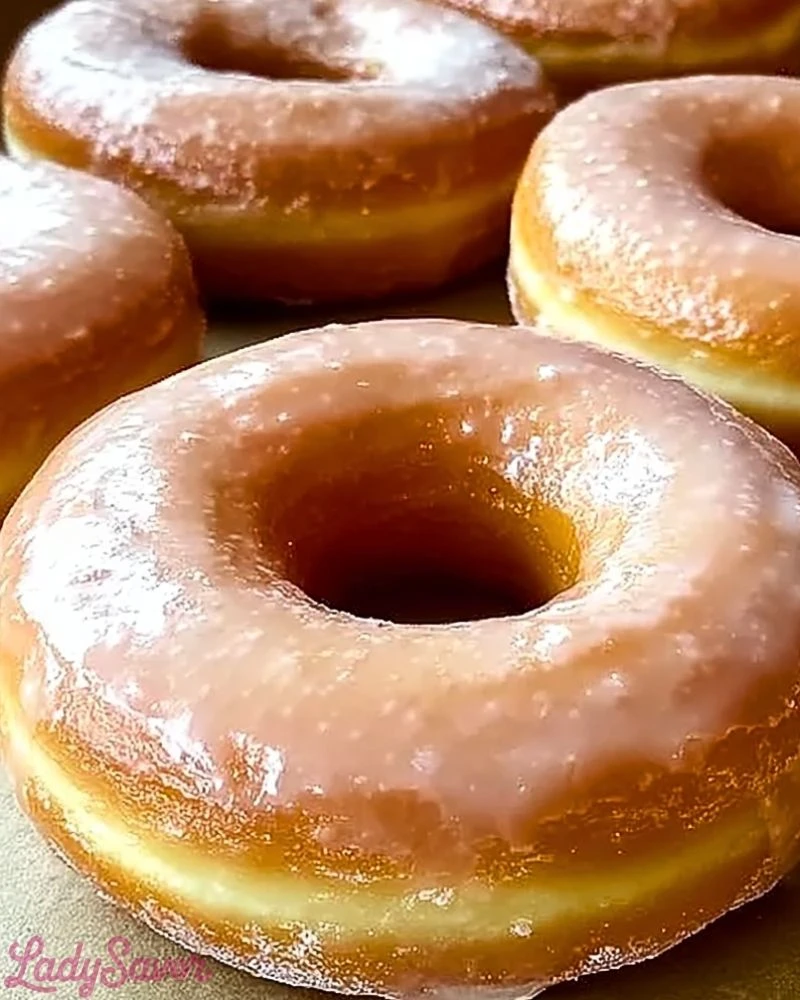
The first bite is what sold me. That golden, slightly crisp exterior gives way to a pillowy inside, and when topped with a glossy vanilla glaze, it’s pure magic. Plus, using sourdough means you’re working with a live culture that brings incredible depth, while also making your baked goods easier to digest. Whether you’re a long-time sourdough baker or just getting started, this is one recipe that belongs in your rotation.
Why You’ll Love This Sourdough Donut
Sourdough donuts combine everything you love about traditional yeast donuts with the rich, complex flavor only a sourdough starter can give. They’re soft and tender with a delicate tang, and they hold their shape beautifully when fried. The fermentation process adds both texture and character, making these donuts feel like something you’d get from a high-end bakery—but they’re totally doable in your own kitchen.
What Kind of Sourdough Starter Should I Use?
You’ll want a mature, active sourdough starter—one that’s been recently fed and is bubbly and doubling in size. A starter made with all-purpose flour works perfectly for this recipe. If your starter has been sitting in the fridge, make sure to feed it and let it come to life at room temperature before mixing your dough. A strong starter ensures your donuts will rise well and have that signature airy crumb inside.
Options for Substitutions
- Flour: While all-purpose flour is standard, you can substitute half with bread flour for more structure or even a bit of whole wheat flour for a heartier flavor.
- Milk: Any dairy milk will work, but you can also use plant-based options like oat or almond milk. Just keep in mind it may affect the richness slightly.
- Butter: For a dairy-free version, swap out butter for vegan butter or refined coconut oil.
- Sugar: You can use coconut sugar or maple syrup in place of granulated sugar, but the flavor and color of the dough may change slightly.
- Glaze: A classic vanilla glaze is perfect, but feel free to experiment with maple, chocolate, or even a lemon glaze if you want to shake things up.
Ingredients for this Sourdough Donut
- All-purpose flour: The backbone of the dough, it provides the perfect structure and softness.
- Active sourdough starter: This naturally leavened ingredient gives the donuts a light texture and complex flavor.
- Whole milk: Adds richness and helps tenderize the dough.
- Eggs: They contribute to the structure, color, and softness of the final donut.
- Granulated sugar: Feeds the starter and sweetens the dough slightly.
- Unsalted butter: Brings in richness and a slight buttery taste that rounds out the flavor.
- Salt: Enhances all the flavors and balances the sweetness.
- Vanilla extract: Adds aromatic depth and warmth to the dough.
- Oil for frying: A neutral oil like canola or vegetable oil works best for even frying.
- Powdered sugar, milk, and vanilla (for glaze): These combine into a silky, sweet topping that coats the donuts beautifully.

Step 1: Prepare the Sourdough Starter
Feed your sourdough starter 6 to 8 hours before making the dough. It should be bubbly, active, and doubled in size when you begin. This ensures proper fermentation and a good rise in the final donuts.
Step 2: Make the Dough
In the bowl of a stand mixer, combine flour, sugar, salt, eggs, milk, active sourdough starter, and vanilla extract. Mix until a shaggy dough forms, then add softened butter gradually while mixing. Knead on medium speed for 8–10 minutes until the dough is smooth and elastic.
Step 3: Bulk Fermentation
Transfer the dough to a lightly greased bowl, cover it with plastic wrap or a damp towel, and let it rise at room temperature for 4–6 hours. The dough should puff up slightly but won’t double like yeasted dough. This long fermentation gives the dough flavor and texture.
Step 4: Cold Proof
After the bulk rise, refrigerate the dough overnight (or at least 8 hours). This step makes the dough easier to handle and enhances the sourdough flavor.
Step 5: Roll and Cut the Donuts
On a floured surface, roll out the chilled dough to about 1/2 inch thick. Use a donut cutter (or two round cutters) to cut out your donuts and holes. Place them on parchment-lined baking sheets.
Step 6: Final Proof
Cover the shaped donuts with a damp towel or plastic wrap and let them proof for 1.5 to 2 hours at room temperature. They should look puffy and hold a slight indentation when gently pressed.
Step 7: Fry the Donuts
Heat oil in a deep pot to 350°F (175°C). Fry 2–3 donuts at a time, cooking for about 1–2 minutes per side until golden brown. Drain on a wire rack or paper towel-lined tray.
Step 8: Glaze the Donuts
While the donuts are still warm, dip the tops into the prepared glaze. Let the glaze set on a wire rack. Serve fresh and warm, or let them cool completely before storing.
How Long to Prepare the Sourdough Donut
Making sourdough donuts is a slower process than using commercial yeast, but it’s absolutely worth it. The hands-on time is fairly minimal, but the fermentation and resting stages add depth to the flavor and texture.
- Active Time: You’ll spend about 30–40 minutes actively working on mixing, rolling, cutting, frying, and glazing.
- Inactive Time: Plan for a 4–6 hour bulk fermentation, followed by an overnight cold proof, and a final 1.5–2 hour rise before frying. In total, you’ll need about 16–18 hours from start to finish, mostly inactive.
Tips for Perfect Sourdough Donuts
- Use an active, bubbly starter that’s been recently fed.
- Don’t skip the overnight cold ferment—it adds structure and flavor.
- Let the dough come back to room temperature before shaping.
- Use a thermometer to monitor oil temperature and avoid over-browning.
- Glaze the donuts while they’re still slightly warm so the glaze sets beautifully.
Watch Out for These Mistakes While Cooking
- Under-proofing: If the donuts don’t puff up during the final rise, they may turn out dense.
- Over-proofing: Too much rise can lead to collapsed, oily donuts.
- Cold oil: If your oil isn’t hot enough, the donuts will absorb too much and turn greasy.
- Overcrowding the pot: This drops the oil temperature and leads to uneven frying.
- Skipping the glaze: It’s tempting to eat them plain, but the glaze is the finishing touch that ties it all together.
What to Serve With Sourdough Donuts?
1. Fresh Brewed Coffee
Nothing pairs better with warm donuts than a hot cup of coffee. Try a dark roast to balance the sweetness.
2. Hot Chocolate
A rich, creamy mug of hot chocolate is a perfect match for a glazed sourdough donut, especially on cozy mornings.
3. Fresh Fruit Salad
The tang of fresh berries or citrus helps cut through the richness of the donut.
4. Whipped Cream or Mascarpone
Serve a small scoop on the side for a decadent brunch treat.
5. Vanilla Ice Cream
Turn your sourdough donut into a dessert by adding a scoop of ice cream on top.
Storage Instructions
Room Temperature: Store glazed or unglazed donuts in an airtight container at room temperature for up to 2 days. They’re best enjoyed fresh.
Refrigeration: Not recommended, as it can dry out the donuts and make the glaze runny.
Freezing: You can freeze unglazed donuts in a freezer-safe container for up to 2 months. Thaw at room temperature and reheat gently before glazing.
Reheating: Warm them for 10–15 seconds in the microwave or a few minutes in a 300°F oven to bring back their softness.
Estimated Nutrition (per donut)
- Calories: ~260
- Fat: 10g
- Saturated Fat: 5g
- Carbohydrates: 38g
- Sugar: 14g
- Fiber: 1g
- Protein: 5g
- Sodium: 120mg
- Cholesterol: 40mg
Frequently Asked Questions
How do I know if my sourdough starter is active enough?
Your starter should double in size within 4–6 hours of feeding, have a pleasant tangy aroma, and be bubbly throughout.
Can I bake these instead of frying?
Yes, but they will have a different texture—more like a soft bread roll. Bake at 375°F for 10–12 minutes.
Can I make the dough ahead of time?
Yes. The dough can be made and refrigerated up to 24 hours in advance.
Can I flavor the glaze?
Absolutely! Add cocoa powder, espresso, maple syrup, or citrus zest to switch things up.
What oil is best for frying donuts?
Use a neutral oil with a high smoke point—canola, vegetable, or sunflower oil are all great options.
Conclusion
Sourdough donuts are a labor of love, but the results are completely worth it. Their tender, airy texture and subtle tangy flavor elevate them far beyond your typical fried treat. Once you get into the rhythm of making them, you’ll find that they’re not only delicious but also incredibly satisfying to prepare. Whether for a weekend indulgence, a brunch centerpiece, or just to use up extra starter, this recipe is sure to become a favorite in your sourdough rotation.

Sourdough Donut
- Total Time: 18 hours (includes fermentation and proofing)
- Yield: 12 donuts 1x
- Diet: Vegetarian
Description
If you’ve never tried making sourdough donuts at home, you’re in for a delicious surprise. These light and fluffy donuts are naturally leavened with sourdough starter, giving them a distinct flavor and irresistible texture. The rich, buttery dough ferments slowly for deep flavor, and once fried to golden perfection and topped with a sweet vanilla glaze, they become an indulgent treat that’s hard to beat. Perfect for a cozy breakfast, weekend brunch, or just a unique way to use your sourdough starter. Whether you’re looking for easy breakfast ideas, a unique dessert, or homemade food ideas, this easy recipe is one to bookmark.
Ingredients
3 1/2 cups all-purpose flour
1 cup active sourdough starter
3/4 cup whole milk
2 large eggs
1/3 cup granulated sugar
1/4 cup unsalted butter, softened
1 teaspoon salt
1 teaspoon vanilla extract
Oil for frying
1 1/2 cups powdered sugar
2–3 tablespoons milk (for glaze)
1 teaspoon vanilla extract (for glaze)
Instructions
1. Feed your sourdough starter and let it become bubbly and active before starting.
2. In a stand mixer, combine flour, sugar, salt, eggs, milk, sourdough starter, and vanilla extract.
3. Mix into a shaggy dough, then slowly add butter and knead for 8–10 minutes until smooth and elastic.
4. Transfer dough to a greased bowl, cover, and let rise at room temperature for 4–6 hours.
5. Refrigerate overnight for 8–12 hours for easier handling and deeper flavor.
6. Roll out the dough to 1/2 inch thickness and cut out donuts and holes.
7. Place on parchment-lined trays, cover, and proof for 1.5–2 hours until puffy.
8. Heat oil to 350°F and fry donuts 1–2 minutes per side until golden.
9. Drain on a wire rack or paper towels.
10. Whisk glaze ingredients and dip warm donuts to coat tops.
11. Let glaze set, then serve fresh or store as needed.
Notes
Let the dough cold-proof overnight to enhance both flavor and workability.
Use a thermometer to monitor frying oil temperature for consistent results.
Donuts are best eaten the same day, but can be frozen unglazed for up to 2 months.
- Prep Time: 45 minutes
- Cook Time: 15 minutes
- Category: Breakfast, Dessert
- Method: Frying
- Cuisine: American
Nutrition
- Serving Size: 1 donut
- Calories: 260
- Sugar: 14g
- Sodium: 120mg
- Fat: 10g
- Saturated Fat: 5g
- Unsaturated Fat: 4g
- Trans Fat: 0g
- Carbohydrates: 38g
- Fiber: 1g
- Protein: 5g
- Cholesterol: 40mg