
 Sally Thompson
A beautifully roasted leg of lamb is the kind of centerpiece that instantly elevates any gathering. With its golden, herb-crusted exterior and tender, juicy interior, this dish delivers bold flavor in every slice. The aroma of garlic, rosemary, and slow-roasted meat fills the kitchen, building anticipation long before it reaches the table.
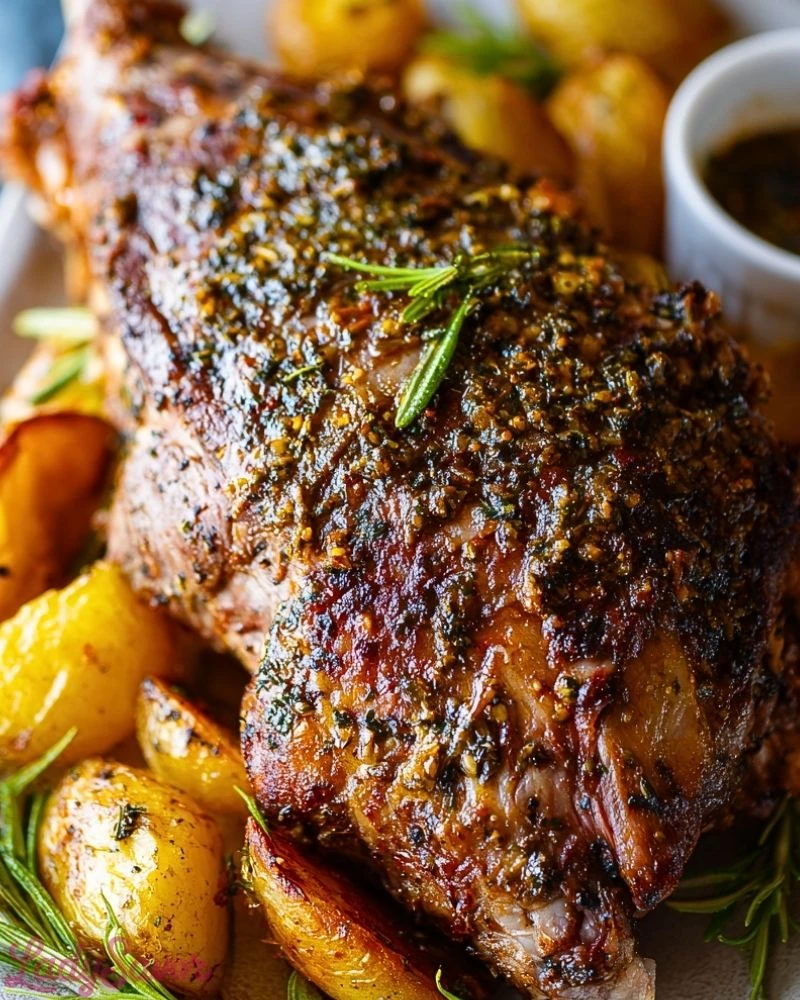
Whether you’re preparing a holiday feast or hosting a cozy Sunday dinner, this Best Roasted Leg of Lamb brings both elegance and comfort. Paired with crispy roasted potatoes and a rich pan sauce, it’s a timeless classic that never fails to impress.
Why You’ll Love This Best Roasted Leg of Lamb
This roast stands out for its perfect balance of simplicity and flavor. The preparation is straightforward, yet the result tastes like something from a fine dining restaurant. The herb and garlic crust locks in moisture while creating a savory outer layer packed with texture. It’s versatile enough for special occasions but easy enough to prepare without stress. Plus, leftovers (if you have any) are fantastic in sandwiches, salads, or wraps the next day.
Preparation Phase & Tools to Use (Essential Tools and Equipment, and the Importance of Each Tool)
To achieve a perfectly cooked Best Roasted Leg of Lamb, having the right tools makes all the difference. A sturdy roasting pan is essential for even heat distribution and for collecting flavorful drippings that can be turned into a sauce. A meat thermometer is crucial to ensure the lamb reaches your desired level of doneness without overcooking. A sharp chef’s knife allows you to trim excess fat and carve clean, even slices. A mixing bowl is needed to combine the herb marinade evenly, while a basting brush helps coat the meat thoroughly for maximum flavor penetration. Finally, aluminum foil is important for tenting the lamb during resting, allowing the juices to redistribute and keep the meat tender.
Preparation Tips
Bring the lamb to room temperature about 30–45 minutes before roasting to ensure even cooking throughout. Pat the surface dry with paper towels so the herb mixture adheres properly and forms a flavorful crust. Score the fat lightly in a crisscross pattern to help the seasoning seep deeper into the meat. Avoid skipping the resting period after roasting; this step is essential for locking in juices and achieving tender slices. For deeper flavor, you can marinate the lamb several hours or overnight in the refrigerator before cooking.
Ingredients for this Best Roasted Leg of Lamb
- 1 whole leg of lamb (5–7 pounds), bone-in or boneless
- 4 tablespoons extra virgin olive oil
- 6–8 garlic cloves, finely minced or crushed into a paste
- 2 tablespoons fresh rosemary, finely chopped
- 1 tablespoon fresh thyme leaves, chopped
- 1 tablespoon fresh parsley, finely chopped
- 1 tablespoon Dijon mustard (optional, for depth of flavor)
- 1 tablespoon lemon zest
- 2 tablespoons fresh lemon juice
- 2 teaspoons kosher salt (adjust to taste)
- 1 ½ teaspoons freshly ground black pepper
- 1 teaspoon smoked paprika (optional for subtle smokiness)
- 1 cup dry white wine or beef broth (for the roasting pan)
- 1 large onion, sliced thickly
- 2 carrots, cut into large chunks
- 2–3 celery stalks, chopped
- 1 pound baby potatoes (optional, for roasting alongside)
Optional for Pan Sauce or Gravy:
- 1 tablespoon butter
- 1 tablespoon all-purpose flour
- 1 cup reserved pan drippings
- Additional broth if needed
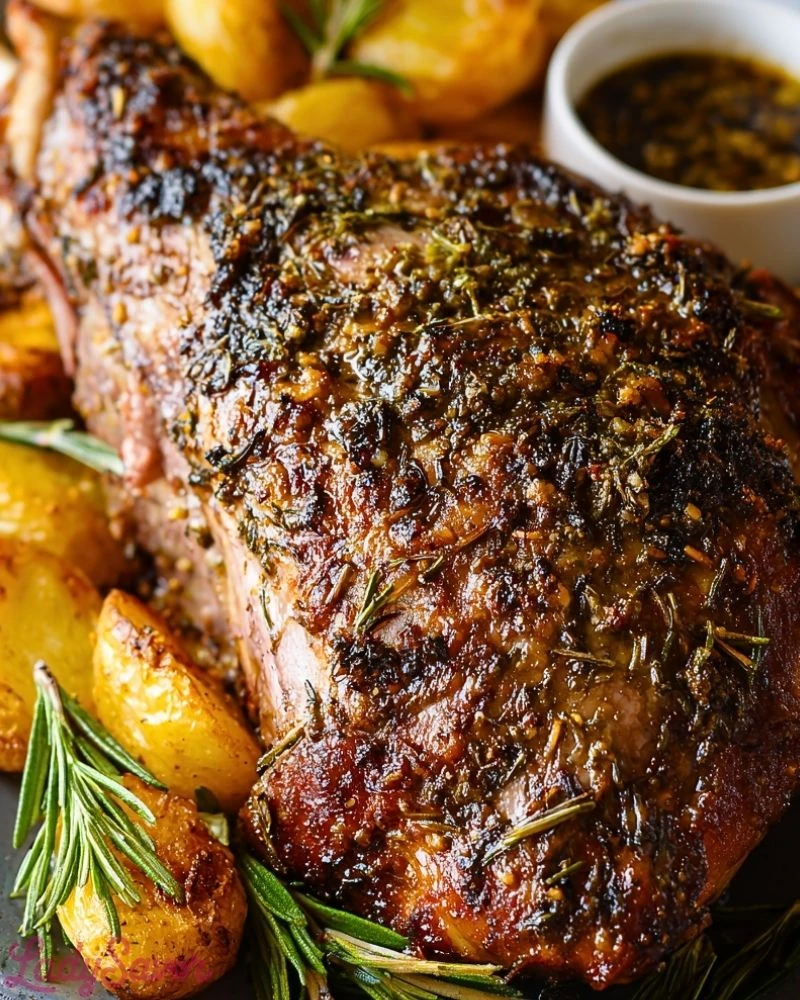
Step 1: Prepare the Lamb
Remove the leg of lamb from the refrigerator 30–45 minutes before cooking to allow it to come to room temperature. Pat the surface completely dry with paper towels to promote proper browning. If necessary, trim excess thick fat, leaving a thin layer to retain moisture. Using a sharp knife, lightly score the fat in a crisscross pattern without cutting into the meat. This helps the seasoning penetrate and allows the fat to render evenly during roasting.
Step 2: Prepare the Herb Marinade
In a mixing bowl, combine olive oil, minced garlic, rosemary, thyme, parsley, Dijon mustard, lemon zest, lemon juice, salt, pepper, and smoked paprika. Mix thoroughly until a thick paste forms. The oil acts as a carrier for the herbs and aromatics, ensuring even flavor distribution across the meat.
For enhanced flavor, allow the mixture to sit for 5–10 minutes before applying so the herbs release their essential oils.
Step 3: Season and Marinate
Rub the herb mixture generously over the entire surface of the lamb, pressing it into the scored cuts. Make sure every side is evenly coated. For deeper flavor infusion, cover the lamb tightly with plastic wrap and refrigerate for at least 2 hours, preferably overnight. If marinating overnight, remove from the refrigerator 45 minutes before roasting.
Step 4: Prepare the Roasting Pan
Preheat your oven to 425°F (220°C). Arrange sliced onion, carrots, and celery at the bottom of a sturdy roasting pan to create a natural rack. This elevates the lamb, allowing hot air to circulate evenly while infusing the drippings with flavor. Pour white wine or broth into the bottom of the pan to prevent burning and to build a flavorful base for sauce.
If roasting potatoes alongside, toss them lightly in olive oil, salt, and pepper, then arrange them around the lamb.
Step 5: Roast at High Heat First
Place the lamb on top of the vegetables, fat side up. Roast uncovered at 425°F (220°C) for 20 minutes. This initial high temperature helps develop a deeply browned crust and locks in juices.
Step 6: Lower Temperature and Continue Roasting
Reduce oven temperature to 350°F (175°C) without removing the lamb. Continue roasting until the internal temperature reaches your desired doneness:
- Rare: 120–125°F (49–52°C)
- Medium Rare: 130–135°F (54–57°C)
- Medium: 140–145°F (60–63°C)
- Medium Well: 150–155°F (65–68°C)
Estimate about 15–20 minutes per pound, but always rely on a meat thermometer inserted into the thickest part (avoiding bone). Baste occasionally with pan juices for added moisture and flavor.
Step 7: Rest the Lamb
Once the lamb reaches 5 degrees below your target temperature (carryover cooking will raise it slightly), remove it from the oven. Transfer to a cutting board and loosely tent with aluminum foil. Let it rest for 20–30 minutes. Resting allows the muscle fibers to relax and reabsorb juices, resulting in tender, juicy slices.
Step 8: Prepare Optional Pan Sauce or Gravy
While the lamb rests, strain the pan drippings into a saucepan. Skim excess fat if desired. For a thicker gravy, melt butter in a saucepan, whisk in flour to create a roux, and cook for 1–2 minutes. Gradually whisk in the drippings and simmer until thickened. Adjust seasoning as needed.
Step 9: Carve and Serve
Place the rested lamb on a carving board. If bone-in, slice parallel to the bone in thin, even cuts. For boneless lamb, slice against the grain to ensure tenderness. Serve with roasted vegetables, potatoes, and warm pan sauce spooned over the top.
For presentation, garnish with fresh rosemary sprigs and a light sprinkle of flaky sea salt before serving.
Notes
This Best Roasted Leg of Lamb is highly adaptable depending on your flavor preferences and the occasion. If you prefer a stronger herbal profile, increase the rosemary and thyme slightly, but keep the garlic balanced so it doesn’t overpower the natural richness of the lamb. Bone-in lamb generally delivers deeper flavor and retains moisture beautifully, while boneless lamb is easier to carve and often cooks slightly faster. For an even crispier crust, you can finish the roast under the broiler for 2–3 minutes, watching carefully to prevent burning. Allowing proper rest time is non-negotiable, as it directly affects juiciness and texture.
Watch Out for These Mistakes While Cooking
One common mistake is skipping the meat thermometer and relying only on time. Oven temperatures vary, and overcooked lamb can quickly become dry. Another issue is not bringing the lamb to room temperature before roasting, which can cause uneven cooking. Avoid cutting into the lamb immediately after removing it from the oven; this releases valuable juices. Using too much salt in advance without balancing herbs and acidity can also overpower the meat. Lastly, roasting at a single low temperature without the initial high-heat sear may prevent the flavorful crust from developing properly.
Storage Instructions
Store leftover Best Roasted Leg of Lamb in an airtight container in the refrigerator for up to 4 days. For best results, slice only what you plan to eat and keep the remaining portion whole to preserve moisture. To reheat, place slices in a baking dish with a splash of broth, cover with foil, and warm gently at 300°F (150°C) until heated through. This prevents drying. For longer storage, wrap tightly in plastic wrap and aluminum foil, then freeze for up to 3 months. Thaw overnight in the refrigerator before reheating.
Estimated Nutrition
Per serving (based on approximately 6–8 servings):
- Calories: 420–480 kcal
- Protein: 38–45g
- Fat: 30–35g
- Saturated Fat: 12–14g
- Carbohydrates: 2–5g (without potatoes)
- Fiber: 0–1g
- Sodium: 450–600mg
- Cholesterol: 120–135mg
Nutritional values may vary depending on portion size, trimming of fat, and added side ingredients.
Frequently Asked Questions
1. What is the best internal temperature for roasted leg of lamb?
Medium-rare at 130–135°F (54–57°C) is widely considered ideal because it keeps the meat tender and juicy while preserving flavor.
2. Should I cover the lamb while roasting?
It’s best to roast uncovered to develop a crust. Cover loosely with foil only if the top browns too quickly.
3. How long does it take to roast a 6-pound leg of lamb?
At 350°F (175°C), expect roughly 15–20 minutes per pound after the initial high-heat sear. Always confirm with a thermometer.
4. Can I prepare the lamb the night before?
Yes. Marinating overnight enhances flavor. Keep it tightly wrapped in the refrigerator and bring to room temperature before roasting.
5. What herbs pair best with lamb?
Rosemary, thyme, oregano, parsley, and mint complement lamb exceptionally well.
6. How do I keep roasted lamb from drying out?
Avoid overcooking, use a thermometer, baste during roasting, and allow proper resting time before slicing.
7. Can I cook this recipe in a convection oven?
Yes. Reduce the temperature by about 25°F (15°C) and monitor closely, as convection ovens cook faster.
8. What side dishes go well with roasted leg of lamb?
Roasted potatoes, garlic green beans, glazed carrots, couscous, fresh salads, and crusty bread pair beautifully.
Conclusion
This Best Roasted Leg of Lamb delivers restaurant-quality results with surprisingly simple preparation. From its herb-infused crust to its tender, flavorful interior, it’s a dish that commands attention at the table. With the right tools, proper timing, and a bit of patience, you can confidently prepare a memorable centerpiece suitable for holidays, family gatherings, or an elevated weekend dinner. Master this technique once, and it will become a reliable favorite in your collection of impressive dinner ideas.
Best Roasted Leg of Lamb
- Total Time: 2 hours 5 minutes
- Yield: 6–8 servings 1x
- Diet: Gluten Free
Description
Impress your guests with this Best Roasted Leg of Lamb, featuring a golden herb crust, tender juicy interior, and rich savory flavor in every bite. This easy dinner idea is perfect for holiday meals, Sunday family gatherings, or whenever you need elevated dinner ideas that feel special yet simple to prepare. With fresh rosemary, garlic, and a perfectly roasted finish, this dish transforms basic ingredients into a restaurant-quality centerpiece. Whether you’re looking for an easy recipe for entertaining or hearty food ideas for a comforting meal, this roasted lamb delivers unforgettable results.
Ingredients
5–7 pounds leg of lamb, bone-in or boneless
4 tablespoons extra virgin olive oil
6–8 cloves garlic, minced
2 tablespoons fresh rosemary, finely chopped
1 tablespoon fresh thyme leaves
1 tablespoon fresh parsley, chopped
1 tablespoon Dijon mustard
1 tablespoon lemon zest
2 tablespoons fresh lemon juice
2 teaspoons kosher salt
1½ teaspoons freshly ground black pepper
1 teaspoon smoked paprika
1 cup dry white wine or beef broth
1 large onion, thickly sliced
2 carrots, cut into chunks
2–3 celery stalks, chopped
1 pound baby potatoes
Instructions
1. Remove the leg of lamb from the refrigerator 30–45 minutes before roasting. Pat dry and lightly score the fat in a crisscross pattern.
2. Preheat oven to 425°F (220°C).
3. In a bowl, mix olive oil, garlic, rosemary, thyme, parsley, Dijon mustard, lemon zest, lemon juice, salt, pepper, and smoked paprika to form a paste.
4. Rub the herb mixture evenly over the entire lamb, pressing into the scored cuts.
5. Place onion, carrots, and celery in the bottom of a roasting pan. Pour in wine or broth. Set the lamb on top, fat side up. Arrange baby potatoes around the meat.
6. Roast at 425°F for 20 minutes to develop a crust.
7. Reduce temperature to 350°F (175°C) and continue roasting 15–20 minutes per pound, until internal temperature reaches 130–135°F for medium-rare.
8. Remove from oven when temperature is 5 degrees below target. Tent loosely with foil and rest 20–30 minutes.
9. Slice against the grain and serve with pan juices or prepared gravy.
Notes
Use a meat thermometer for precise doneness and avoid overcooking.
Let the lamb rest fully before carving to retain juices.
For extra flavor, marinate the lamb overnight in the refrigerator before roasting.
- Prep Time: 20 minutes
- Cook Time: 1 hour 45 minutes
- Category: Main Course
- Method: Roasting
- Cuisine: Mediterranean
Nutrition
- Serving Size: 1 serving
- Calories: 450
- Sugar: 1g
- Sodium: 520mg
- Fat: 32g
- Saturated Fat: 13g
- Unsaturated Fat: 17g
- Trans Fat: 0g
- Carbohydrates: 4g
- Fiber: 1g
- Protein: 42g
- Cholesterol: 125mg